
We have all been there. The morning starts with the best of intentions, but within minutes, it dissolves into a beautiful, chaotic whirlwind. You are managing the school dress code drama, hunting down a missing shoe, wiping up a spilled milk cup, and packing lunches, all while mentally running through your endless to-do list.
In the middle of taking care of everyone else, a familiar script plays out: your own breakfast gets pushed to the back burner.
Maybe you promise yourself you’ll eat once the house is quiet, but by 10:00 AM, you are utterly starving. More often than not, you fall into the trap of skipping the meal entirely, relying on a jittery third cup of coffee, or standing over the kitchen counter eating the cold, discarded crusts of your kid’s toast.
When we default to skipping meals or surviving on scraps, we aren’t just under-fueling our bodies; we are setting ourselves up for a mid-day energy crash, intense sugar cravings, and irritability. You deserve a breakfast that actually sustains you, but when you have exactly two minutes to spare, sitting down to a plate of eggs and avocado toast feels like an impossible luxury.
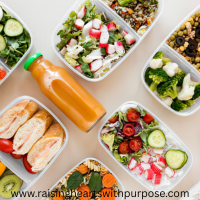
Redefining the Meal Replacement
This is exactly where the meal replacement smoothie comes in to save the day, but we need to change how we talk about them.
For decades, the phrase meal replacement has been co-opted by restrictive diet culture. It conjures up images of chalky, chemically altered powders, synthetic slim down shakes, and a mindset of deprivation or cutting calories.
Let’s throw that old definition out the window.
In a realistic, modern household, a meal replacement smoothie isn’t about restriction or eating less, it’s about nourishment efficiency. It is a tool for deep, intentional abundance. When you don’t have the luxury of time to chew your breakfast, a whole-food smoothie allows you to condense a massive plate of vital nutrients, clean proteins, and healthy fats into a single, easily digestible glass. It is a stress-free act of self-care that fits perfectly into the palm of your hand while you herd the kids out the door.
The Ultimate Goal: 4 Hours of Steady, Vibrant Energy.
But there is a catch. If your current smoothie routine involves throwing some frozen berries, a banana, and a splash of almond milk into a blender, you’ve probably noticed that your stomach is growling again just an hour later.
That is because a standard snack smoothie is mostly made of quick-burning carbohydrates. While delicious, it causes a rapid spike in your blood sugar, followed by a swift crash that leaves you fatigued and searching the pantry for snacks.
A true, functional meal smoothie has a much bigger job to do. A proper meal in a glass should keep your blood sugar completely steady, eliminate brain fog, and keep you feeling genuinely full and satisfied for three to four hours. To achieve that, we have to look past just fruit and ice, and learn how to build a balanced, macro-dense architecture using real, whole foods.
Let’s dive into the simple, science-backed formula to transform your morning blender routine from a quick snack into a powerful, sustaining meal that fuels your entire day.
Snack Smoothie vs. Meal Smoothie: What’s the Difference?
To the untrained eye, a smoothie is just a smoothie. It’s cold, it’s vibrant, it’s served in a cup with a straw, and it feels inherently healthy. But if you’ve ever blended up a quick fruit drink, felt amazing for about forty-five minutes, and then suddenly found yourself starving, irritable, and reaching for the nearest carbohydrate, you have experienced the difference between a snack and a meal. Well i stay longer than that when i observe my body
Understanding this distinction is the ultimate game-changer for your morning energy. When we use a smoothie to entirely replace a plate of food, we have to stop treating the blender like a fruit basket and start treating it like a fully balanced kitchen table.
The Fruit-Heavy Trap: Why Your Morning Blend is Causing an Energy Crash
Let’s look at the classic, default smoothie recipe: a banana, a cup of frozen strawberries, a handful of spinach, and a generous pour of almond milk or orange juice. On paper, it looks like a nutritional goldmine. It’s packed with vitamins, antioxidants, and a beautiful green color.
But metabolically speaking, this combination is an unintentional sugar bomb.
Fruit is incredibly healthy, but it is primarily made up of simple carbohydrates (fructose). When you blend fruit down, you break down some of its cellular structure, allowing your body to digest those sugars rapidly. If that blended fruit doesn’t have a strong support system of protein and fat, it enters your bloodstream almost instantly.
Here is exactly what happens inside your body:
-
The Spike: Your blood sugar levels skyrocket, giving you a temporary wave of high energy.
-
The Rescue Mission: Your pancreas panics and releases a flood of insulin to clear that glucose out of your blood.
-
The Crash: Because there was nothing to slow down digestion, your blood sugar plummets just as fast as it rose.
By 9:30 AM, you are hitting a wall of fatigue, experiencing brain fog, and dealing with intense cravings. Your body isn’t actually starving; it is just riding the hormonal rollercoaster of a blood sugar crash. A snack smoothie is fantastic for a quick pre-workout burst or a mid-afternoon pick-me-up, but as a standalone breakfast, it leaves your body fundamentally under-fueled.
The Blueprint of a Meal: What a Smoothie Needs to Actually Sustain You
To transform a liquid snack into a true, functional meal replacement, it must meet the same nutritional criteria as a balanced plate of solid food. A proper meal in a glass shouldn’t just tide you over; it should actively sustain your cellular energy and switch off your hunger hormones for three to four hours.
To achieve this, your meal smoothie needs to hit three specific markers:
1. Caloric Density (The Fuel)
A typical snack smoothie usually hovers around 150 to 250 calories. That is simply not enough energy to run an adult body for a full morning. A true meal replacement smoothie should land somewhere between 400 to 600 calories, depending on your personal energy needs. These shouldn’t be empty calories, but rather dense, high-quality, nutrient-rich calories that come from whole-food sources.
2. The Trifecta of Satiety: Protein, Fat, and Fiber
If calories are the fuel, macronutrient balance is the regulator. To prevent the dreaded sugar spike and crash, we must introduce ingredients that take time, effort, and energy for your digestive tract to break down. This slow-release mechanism is controlled by three power players:
-
Protein (25–30+ grams): Protein is the most satiating macronutrient. It suppresses ghrelin (the hunger hormone) and stimulates the hormones that tell your brain you are full.
-
Healthy Fats (10–15+ grams): Fat acts like an anchor in your stomach. It slows down gastric emptying, meaning the food stays in your stomach longer, providing a slow, steady release of energy into your bloodstream.
-
Fiber (8–10+ grams): Fiber acts like a sponge. It expands in your digestive tract, slows down the absorption of sugars from the fruit, and feeds your gut microbiome, keeping your digestion smooth and your belly flat.
3. Micronutrient Diversity
A plate of food usually offers variety, a protein source, a grain, and some vegetables. Your meal smoothie should do the same. By intentionally layering in leafy greens, cellular fats, and diverse plant-based fibers, you ensure your body gets a broad spectrum of vitamins and minerals to fight inflammation and support your immune system throughout the day.
When you master this balance, you aren’t just drinking a smoothie anymore. You are consuming a liquid powerhouse designed to keep you calm, focused, and deeply nourished through the busiest mornings.
The 4 Pillars of a Filling, Whole-Food Smoothie
Building a meal replacement smoothie that keeps you full for hours doesn’t require a degree in nutrition. It just requires a simple formula. Think of your blender cup as a blank canvas where you need to check four specific boxes.
If you include each of these four pillars every single time you blend, you will create a thick, creamy, delicious meal that stabilizes your blood sugar and powers you through your morning. Here is the exact blueprint to follow:
1. The Protein Foundation: The Ultimate Fullness Anchor
Protein is the absolute centerpiece of a meal replacement smoothie. Without it, you are just drinking juice. Protein down-regulates your body’s hunger hormones (like ghrelin) and takes the longest for your digestive system to break down, ensuring you aren’t searching for a snack an hour later. For a true meal replacement, aim for 25 to 35 grams of protein.
-
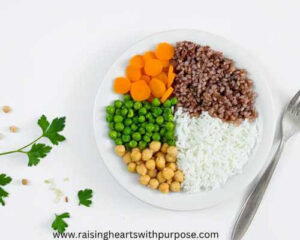
High-Quality Protein Powder: A clean whey isolate or a plant-based protein (like pea, hemp, or brown rice protein) is the fastest way to hit your target. Look for brands with minimal added sugars or artificial fillers.
-
Plain Greek Yogurt: A nutritional powerhouse. Just a half-cup of 2% or whole-milk Greek yogurt adds roughly 11–13 grams of protein, while giving your smoothie a beautifully tangy, milkshake-like creaminess.
-
Cottage Cheese: Don’t knock it until you try it. Blending cottage cheese completely removes the curd texture, leaving behind a velvety, ultra-creamy base that is packed with slow-digesting casein protein.
-
Hemp Hearts: If you prefer to skip powders and dairy entirely, hemp hearts are a magnificent whole-food option. Three tablespoons yield about 10 grams of complete, plant-based protein, along with a mild, nutty flavor.
2. Smart, Complex Carbs & Fiber: Sustained Brain Power
Your brain runs on glucose, so carbohydrates are not the enemy. The secret is choosing complex carbohydrates that are bound to dietary fiber. Fiber acts like a speed bump for your metabolism, it slows down the absorption of sugar into your bloodstream, providing a slow, steady release of energy rather than a sharp spike. Aim for 8 to 10+ grams of fiber.
-
Rolled Oats: Adding a 1/4 to 1/2 cup of raw rolled oats directly into the blender gives your smoothie an artisanal, oatmeal-cookie texture and a heavy dose of beta-glucan, a type of fiber highly praised for heart and gut health.
-
Frozen Cauliflower Rice: The ultimate smoothie secret weapon. Replacing some of your frozen fruit with frozen cauliflower rice adds massive volume, fiber, and thick texture, with absolutely zero cauliflower taste.

-
Sweet Potato Puree: Leftover baked or canned sweet potato (unsweetened) brings a gorgeous rich texture, natural sweetness, and a massive dose of vitamin A and complex carbohydrates to fuel your brain.
-
Low-Sugar Berries: Raspberries and blackberries are the fiber kings of the fruit world. A single cup of raspberries delivers a whopping 8 grams of fiber while keeping the overall glycemic load of your smoothie low.
3. Healthy Fats for Satiety: The 4-Hour Staying Power
If protein is the anchor, healthy fat is the heavy chain that holds everything in place. Fat slows down gastric emptying (the rate at which food leaves your stomach), which is the biological secret to feeling genuinely full for four hours. Fat is also essential for helping your body absorb fat-soluble vitamins (A, D, E, and K) from your fruits and veggies.
-
Avocado (Fresh or Frozen): Half of an avocado adds heart-healthy monounsaturated fats and transforms your smoothie into a luxurious, silk-like mousse. Frozen avocado chunks are a lifesaver for quick prep.
-
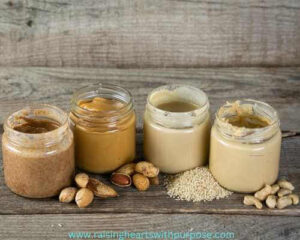
Nut Butters: Almond butter, peanut butter, cashew butter, or sunflower seed butter add rich flavor, healthy fats, and a little extra protein boost. Keep an eye on ingredient labels to ensure it’s just nuts and salt.
-
Chia Seeds: These tiny seeds are nutritional powerhouses. When exposed to liquid, they expand and form a gel that thickens your smoothie, improves digestion, and packs an impressive punch of Omega-3 fatty acids.
-
Ground Flaxseeds: Easily digested when ground, flaxseeds bring a subtle, nutty depth to your blend and are fantastic for balancing hormones and promoting regular digestion.
4. The Stealth Veggie Boost: Micro-Nutrient Wealth
A true meal replacement should feed your cells, not just your stomach. Adding vegetables to your morning blend is a stress-free way to check off your daily greens before your kids have even finished their first cartoon. The goal here is stealth health, adding massive micronutrient value without making your smoothie taste like lawn clippings.
-
Frozen Spinach: Unlike fresh spinach, which can sometimes leave a slightly bitter, earthy aftertaste, frozen spinach is incredibly mild. When blended with berries or cacao, it completely disappears into the background flavor-wise.
-
Steamed-Then-Frozen Zucchini: Slice up zucchini, steam it slightly to break down the raw starches for easier digestion, and freeze the coins. When blended, zucchini acts exactly like frozen banana, .it creates a soft, incredibly creamy texture with zero vegetable flavor.
-
Frozen Beet Chunks: Perfect for chocolate or berry-based smoothies. Beets add a magnificent, vibrant pink or deep red color, support liver detoxification, and pair beautifully with rich flavors like cocoa powder.
3 Easy, Nutrient-Dense Recipes to Try This Week
Now that you know the secret 4-pillar formula, it’s time to put it into action. These three recipes are distinct in flavor, packed with whole-food nourishment, and intentionally crafted to meet the caloric and macro needs of a true meal replacement.
Best of all? They are entirely kid-safe, creamy, and delicious enough that your little ones will likely try to steal a few sips for themselves.
1. The Green Powerhouse (Tropical & Energizing)
If you want a bright, refreshing morning pick-me-up that tastes like a tropical vacation but keeps you fueled like a champion, this is your blend. The natural sweetness of the mango perfectly masks the spinach, while the avocado and hemp hearts create an ultra-velvety texture.
-
Why it works as a meal: The avocado provides sustained fats, the hemp hearts offer clean, plant-based protein and essential fatty acids, and the spinach delivers a heavy dose of iron and vitamins A and C.
-
Ingredients:
-
1 cup liquid base (Unsweetened coconut water or almond milk)
-
1 scoop high-quality vanilla protein powder (or ½ cup plain Greek yogurt)
-
3 tbsp hemp hearts
-
¼ medium avocado (fresh or frozen chunks)
-
1 cup tightly packed frozen spinach
-
½ cup frozen mango chunks
-
-
Instructions: Pour the liquid base into your blender first, followed by the spinach and hemp hearts. Blend on high for 30 seconds until completely smooth with no green flakes. Add the remaining ingredients and blend until creamy.
-
Kid-Friendly Swap: If your toddler is suspicious of green drinks, serve this in an opaque straw cup and call it a Cocomelon Smoothie or a Hulk Shake, the sweet mango flavor will win them over instantly.
2. The Oatmeal Cookie Blender Meal (Warm, Comforting & Filling)
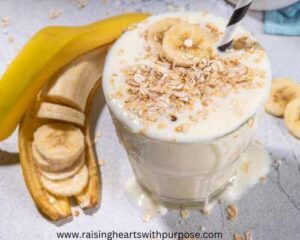
For those mornings when you crave something cozy, hearty, and deeply satisfying, this recipe delivers. It tastes exactly like a liquid oatmeal chocolate-chip cookie (minus the baking and the guilt), making it the ultimate comfort food in a glass.
-
Why it works as a meal: Rolled oats act as a fantastic complex carbohydrate that keeps your brain sharp and your digestion moving. Almond butter anchors the meal with healthy fats, and a pinch of cinnamon helps naturally regulate blood sugar.
-
Ingredients:
-
1 cup unsweetened oat milk (or milk of choice)
-
1 scoop vanilla or snickerdoodle protein powder (or ½ cup cottage cheese for a nuttier creaminess)
-
⅓ cup raw rolled oats
-
1 tbsp almond butter (or sunflower seed butter)
-
1 tbsp chia seeds
-
½ frozen banana
-
¼ tsp ground cinnamon
-
-
Instructions: Add the oat milk, rolled oats, and chia seeds to the blender first and let them sit for 1–2 minutes to soften the grains. Add the protein, almond butter, cinnamon, and frozen banana. Blend on high until completely smooth and thick.
-
Kid-Friendly Swap: Toss a teaspoon of mini dark chocolate chips or cacao nibs into the blender during the last 5 seconds of blending for a fun chocolate chip cookie crunch your kids will love.
3. The Chocolate-Berry Superfood (Rich, Decadent & Stealthy)
This is the ultimate stealth health smoothie. It looks and tastes like a decadent chocolate-berry milkshake, but it is quietly hiding a massive serving of fiber-rich vegetables. It’s perfect for chocolate lovers and anyone trying to sneak more veggies into their day.
-
Why it works as a meal: Blueberries provide a powerhouse of antioxidants and fiber. The unsweetened cacao powder offers a rich chocolate flavor alongside magnesium. Meanwhile, the frozen zucchini acts exactly like ice, creating a thick, frosty texture without adding any vegetable taste or sugar.
-
Ingredients:
-
1 cup unsweetened chocolate or plain almond milk
-
½ cup plain 2% Greek yogurt (or chocolate plant protein powder)
-
½ cup frozen zucchini chunks (steamed before freezing for easier digestion)
-
½ cup frozen wild blueberries
-
1 ½ tbsp unsweetened cacao powder or cocoa powder
-
1 tbsp almond butter
-
1 tsp pure maple syrup or 1 pitted Medjool date (optional, for extra sweetness)
-
-
Instructions: Place all ingredients into the blender. Start on a low speed to break up the frozen zucchini and blueberries, then crank it up to high for 45–60 seconds until the texture is perfectly glossy and smooth.
-
Kid-Friendly Swap: Pour this rich blend into popsicle molds and freeze them. Your kids will think they are getting an ice cream treat for a snack, while you can rest easy knowing they are eating zucchini, blueberries, and healthy protein.
Stress-Free Prep Hacks for Busy Mornings
One of the biggest reasons people abandon healthy breakfast habits is lack of time. When the alarm goes off and the morning rush begins, even a five-minute smoothie can feel like too much work. Fortunately, a little preparation can transform your morning routine and make nutritious meal replacement smoothies almost effortless.
The Freezer Stash Method: Your Secret to 60-Second Smoothies
Think of your freezer as your personal smoothie assistant. Instead of measuring ingredients every morning, dedicate 15–20 minutes once a week to creating ready-to-blend smoothie packs.
On Sunday evening, gather your favorite smoothie ingredients and portion them into reusable silicone bags, mason jars, or freezer-safe containers. Each pack should contain everything except the liquid.
A balanced meal replacement smoothie pack might include:
- 1 cup frozen fruit (berries, mango, pineapple, or banana)
- 1 handful leafy greens (spinach or kale)
- 1–2 tablespoons healthy fats (chia seeds, flaxseeds, or hemp hearts)
- ¼ cup oats for sustained energy
- Optional add-ins such as cinnamon, cocoa powder, or protein powder
Label each pack with the flavor and date. When morning arrives, simply dump the contents into the blender, add your preferred liquid, and blend.
Benefits of the freezer stash method include:
- Saves valuable morning time
- Eliminates measuring and cleanup
- Reduces food waste
- Makes healthy choices easier than unhealthy ones
- Encourages consistency with your nutrition goals
Many people find that preparing five to seven smoothie packs at once makes healthy breakfasts virtually automatic throughout the week.
The Ice Cube Trick: Small Cubes, Big Convenience
Certain smoothie ingredients don’t stay fresh for long once opened. Rather than letting them spoil, freeze them into convenient portions that are ready whenever you need them.
Spinach Cubes
Blend fresh spinach with a little water until smooth, then pour into ice cube trays. Once frozen, transfer the cubes to a freezer bag. Add two or three cubes directly into your smoothie for an effortless nutrient boost.
Avocado Chunks
Avocados often seem to ripen all at once. Cut ripe avocados into chunks and freeze them on a baking sheet before transferring them to a freezer container. Frozen avocado adds creaminess, healthy fats, and staying power to meal replacement smoothies.
Coconut Milk Cubes
If you use canned coconut milk, freeze leftovers in ice cube trays. This prevents waste while providing perfectly portioned creamy additions for future smoothies.
Yogurt Cubes
Greek yogurt can also be frozen into cubes, making it easy to add protein and creaminess without opening a new container each morning.
Nut Butter Portions
Freeze small spoonfuls of peanut, almond, or cashew butter on parchment paper. Once frozen, store them in a container for quick smoothie additions.
The ice cube method reduces waste, preserves freshness, and ensures nutritious ingredients are always available, even when grocery shopping has been delayed.
Liquid First: The Blender Trick That Saves Time and Frustration
Few things are more frustrating than pressing blend and watching the blades spin helplessly beneath a mountain of frozen ingredients.
The solution is simple: always add ingredients in the correct order.
A good blending sequence is:
- Liquid
- Protein powder or soft ingredients
- Leafy greens
- Oats and seeds
- Fresh fruit
- Frozen fruit and ice on top
Starting with liquid at the bottom creates a vortex that pulls ingredients toward the blades. This allows the blender to work more efficiently and prevents ingredients from becoming trapped.
Benefits of adding liquid first include:
- Faster blending
- Smoother texture
- Less strain on your blender motor
- Fewer interruptions to scrape down the sides
- More consistent results every time
As a general rule, begin with 1 to 1½ cups of liquid and adjust as needed. If your smoothie is too thick, add more liquid gradually rather than all at once.
Bonus Time-Saving Tips
Keep Your Blender on the Counter

Out of sight often means out of use. Keeping your blender easily accessible removes one more barrier to making a healthy breakfast.
Prep a Smoothie Station
Store frequently used ingredients such as oats, protein powder, chia seeds, and cinnamon together in one cabinet or basket.
Use Pre-Portioned Dry Mixes
Create small containers of your favorite dry ingredient combinations. Then simply scoop and blend.
Clean Immediately
After pouring your smoothie, fill the blender halfway with warm water and a drop of dish soap. Blend for 20 seconds and rinse. This prevents stubborn residue and makes cleanup almost effortless.
The Bottom Line
Meal replacement smoothies don’t have to be complicated. By preparing freezer packs, freezing key ingredients into convenient portions, and following the simple liquid first blending rule, you can create nutritious, filling breakfasts in just a few minutes. These small habits remove the stress from busy mornings and make healthy eating far easier to maintain long term.
A Small Act of Self-Care with a Big Impact
As parents, especially moms, it’s easy to put everyone else’s needs ahead of your own. My husband will always say “the tanker that give water also needs water in it’s engine”. Between preparing lunches, getting children ready for school, managing work responsibilities, and handling countless daily tasks, breakfast often becomes an afterthought. Yet the way you start your morning can influence your energy, mood, focus, and patience throughout the day.
A meal replacement smoothie is more than just a quick breakfast, it’s a simple act of self-care. In just five minutes, you can give your body the protein, healthy fats, fiber, vitamins, and minerals it needs to fuel a busy day. Instead of running on empty or relying on convenience foods that leave you hungry an hour later, a well-balanced smoothie can help you stay satisfied, energized, and ready to tackle whatever the day brings.
Remember, nourishing yourself isn’t selfish. When you take a few moments to care for your own health, you’re better equipped to care for your family. A well-fed parent often has more energy, greater focus, and a little more patience for the unexpected challenges that come with daily life.
Start small. Choose one smoothie recipe, prepare a few ingredients ahead of time, and make it part of your morning routine. Consistency matters more than perfection. Even on the busiest days, taking five minutes to nourish yourself can set the tone for a calmer, more productive, and more energized day.
You deserve to feel your best, and sometimes, it starts with something as simple as a smoothie in your hand and a few moments dedicated to your own well-being.
You may also love to see one of our series on High Protein Smoothie for postpartum healing and every mom