
The Ultimate Morning Sanity-Saver
It happens out of nowhere. One day your toddler happily eats everything on their plate, and the next, they look at a piece of chicken as if you’ve served them a plate of rocks. Or maybe you’re rushing through the school-morning gauntlet, watching your older kid take two bites of toast before running out the door, knowing they’ll be hitting a massive energy crash by 10:00 AM.
If you are currently locked in a daily battle with a picky eater, a meat-refusing toddler, or a busy kid who never seems to sit still long enough to eat a full meal, take a deep breath. You are not alone, and you are not failing.
cwhere the rules change every single day. We want them to have the lasting energy, muscle-building blocks, and immune support that protein provides, but forcing a battle of wills at the breakfast table isn’t how anyone wants to start their day.
The Ultimate Parenting Hack
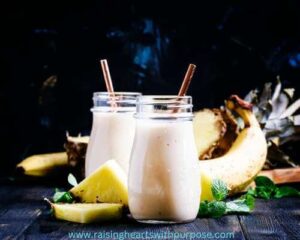
Enter the ultimate parenting loophole: Kids & Protein Smoothies: High-Protein, Whole-Food Recipes.
Smoothies are pure magic because they completely flip the script. To your child, a smoothie looks, feels, and tastes like a decadent, creamy milkshake. It’s a treat. But to you? It’s a stealth delivery system for an absolute powerhouse of nutrition. Within five minutes, you can blend up a breakfast or snack that washes down easily, requires minimal cleanup, and guarantees they get the fuel they need.
No Powders Required
When most people think of high protein, they immediately picture massive tubs of chalky, expensive protein powders or processed supplements. But here’s the best part: you do not need protein powders to make a powerhouse smoothie for your kids. In fact, many commercial powders are packed with artificial sweeteners, fillers, or levels of protein that are way too intense for small kidneys.
Instead, nature has already given us the perfect, kid-safe, whole-food protein sources. By using simple, everyday fridge and pantry staples like creamy Greek yogurt, nutrient-dense seeds, and surprisingly stealthy ingredients like cottage cheese, you can easily create a clean, delicious smoothie that hits your child’s nutritional goals, no questionable ingredients required.
Mom-to-Mom Tip: If you have a child who rejects a smoothie based purely on color (the classic green juice fear), pour it into an opaque thermos with a fun, solid straw. What they can’t see can’t hurt them, and they’ll be hooked by the first sip, i always tell my Muna, just the first sip.
How Much Protein Do Kids Actually Need? (The Real Numbers)
As parents, it’s easy to feel like we constantly need to optimize our kids’ diets. If your toddler refuses dinner three nights in a row, it’s completely natural to worry that their growth is stalling. But when it comes to protein, the daily requirements for children are actually much smaller and far more achievable than most parents realize.
Because children have smaller bodies, they don’t need adult-sized portions of protein. In fact, keeping an eye on the actual numbers can give you immense peace of mind. According to the Recommended Dietary Allowance (RDA), here is what kids actually need each day:
-
Ages 1 to 3 (Toddlers): 13 grams per day
-
Ages 4 to 8 (Early Elementary): 19 grams per day
-
Ages 9 to 13 (Tweens): 34 grams per day
To put that into perspective, 13 grams of protein is roughly the amount found in just two tablespoons of peanut butter and a small glass of milk.
The Smoothie Takeaway: One and Done
Here is where the magic happens: a single, thoughtfully crafted whole-food smoothie can easily pack 12 to 20 grams of protein.
This means that by serving your child a delicious, milkshake-textured smoothie for breakfast or an after-school snack, you can cross off 50% to 100% of their daily protein needs in one single sitting.
You don’t need to spend the rest of the day tracking bites of chicken or bargaining over hidden turkey meatballs. Once they finish that straw, the pressure is entirely off your shoulders for the rest of the day.
The Too Much Caution: Why avoid protein powders? A single scoop of adult whey or plant protein powder can contain 20 to 30 grams of protein all on its own. Flooding a young child’s system with that much concentrated protein places an unnecessary metabolic burden on their developing kidneys and can cause digestive upset. Stick to whole foods, and you’ll hit the sweet spot perfectly every time.
The Best Whole-Food Protein Boosters for Kids
To build a powerhouse smoothie without relying on processed powders, you just need a few nutrient-dense fridge and pantry staples. The beauty of this approach is that it is entirely customizable. Once you know which whole foods pack the biggest nutritional punch, you can mix, match, and swap ingredients based on what you have on hand or what your child prefers.
Here is a breakdown of the best kid-safe, whole-food protein boosters, complete with their protein counts and why they deserve a spot in your blender.
1. Plain Greek Yogurt
-
The Protein Punch: ~15 to 20 grams per cup
-
Why It Works for Kids: Greek yogurt is the ultimate smoothie base. Because it is strained, it contains double the protein of regular yogurt and lends an incredibly thick, velvety texture to the blender. Opt for plain, full-fat (5%) Greek yogurt if you can, the healthy fats are crucial for your child’s brain development, and choosing plain lets you control the sweetness using real fruit instead of added refined sugars. Plus, it’s packed with live probiotics to support a happy, healthy gut.
2. Cottage Cheese
-
The Protein Punch: ~25 grams per cup
-
Why It Works for Kids: If you have a child who hates the texture of cottage cheese, don’t skip this. When tossed into a high-speed blender, cottage cheese completely transforms. The curds vanish, leaving behind an ultra-creamy, rich base that gives smoothies a subtle, decadent cheesecake flavor. It is a absolute protein powerhouse, surpassing even Greek yogurt and is practically unnoticeable when paired with sweet fruits like strawberries or mango.
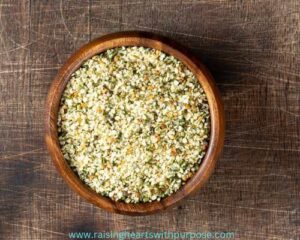
3. Hemp Hearts (Hemp Seeds)
-
The Protein Punch: ~10 grams per 3 tablespoons
-
Why It Works for Kids: Hemp hearts are a busy parent’s best-kept secret. These tiny, soft seeds have a mild, slightly nutty flavor that is easily completely masked by fruit. They blend down into nothingness, making them the ultimate stealth ingredient for sensory-sensitive kids who panic at the sight of specks or texture in their drinks. Beyond protein, they are an incredible source of plant-based Omega-3 and Omega-6 fatty acids, which support cognitive growth and focus.
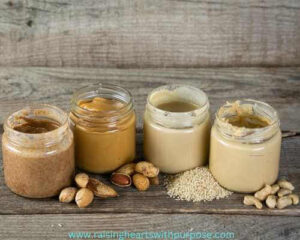
4. Peanut, Almond, or Sunflower Seed Butter
-
The Protein Punch: ~7 to 8 grams per 2 tablespoons
-
Why It Works for Kids: Nut and seed butters offer a rich, familiar flavor that kids naturally love. They act as a wonderful anchor for simpler smoothies (like the classic peanut butter and banana combo) and add essential healthy fats that slow down digestion, ensuring the smoothie provides sustained energy rather than a quick sugar spike and crash. If your school is nut-free or your child has an allergy, sunflower seed butter is an excellent, high-protein alternative.
5. Chia or Flax Seeds
-
The Protein Punch: ~4 to 5 grams per 2 tablespoons
-
Why It Works for Kids: While slightly lower in protein than hemp hearts, chia and ground flax seeds bring a massive secondary benefit to the table: fiber. If your toddler or child struggles with digestive regularity, a tablespoon of these seeds can work wonders. Ground flax blends smoothly and adds a warm flavor, while chia seeds will thicken the smoothie the longer it sits.
-
Tip: If your child is highly sensitive to texturized dots in their drink, opt for ground flax over whole chia seeds.
6. Dairy Milk or Ultra-Filtered Soy Milk
-
The Protein Punch: ~8 grams per cup
-
Why It Works for Kids: Your liquid base matters. While almond and oat milks are delicious, they are naturally very low in protein (often less than 1 or 2 grams per cup). If you want to maximize your smoothie’s nutritional profile, stick to classic cow’s milk or a high-quality, unsweetened soy milk. Both provide a reliable 8 grams of complete protein per cup, alongside calcium and Vitamin D for strong bone development.
The Mix-and-Match Smoothie Matrix
Want to see how easy it is to hit your child’s daily goals? Look at how quickly these numbers add up:
-
The Toddler Blend: ½ cup Greek Yogurt (approx. 9g) + 1 cup Dairy Milk (8g) + Fruit = 17 grams of protein (130% of a toddler’s daily need!)
-
The Stealth Blend: ½ cup Cottage Cheese (approx. 12.5g) + 1.5 tbsp Hemp Hearts (5g) + Water/Ice + Fruit = 17.5 grams of protein.
3 Kid-Approved, High-Protein Smoothie Recipes
When you are serving nutritious food to kids, presentation and flavor profiles are everything. To make these a guaranteed hit, give them fun, descriptive names that lean into their favorite treats.
Here is the first ultimate, kid-approved recipe to add to your weekly rotation.
Recipe 1: The Tastes Like Soft Serve Peanut Butter Banana
The Vibe: Thick, velvety, and deeply satisfying. This smoothie feels less like a healthy breakfast and more like a trip to the ice cream shop. It has a rich, sweet, and comforting flavor profile that kids naturally gravitate toward, making it the perfect gateway smoothie for skeptical or picky eaters.
Because it mimics the texture of soft-serve ice cream, it is an excellent option for breakfast on warm summer mornings, an easy lunch accompaniment, or a filling after-school snack that will keep them satisfied all the way until dinner.
The Ingredient Blueprint
To get that perfect soft-serve consistency, the secret is using frozen fruit and controlling your liquid-to-solid ratio.
-
1 medium Banana (Frozen): Crucial tip: Peel and slice the banana into chunks before freezing it. Frozen banana is the magic ingredient that creates an incredibly thick, creamy, ice-cream-like base without needing actual ice (which dilutes the flavor).
-
½ cup Plain Greek Yogurt OR Full-Fat Cottage Cheese: Both work beautifully here. Greek yogurt gives it a slight, pleasant tang, while cottage cheese blends into a rich, mild, cheesecake consistency.
-
2 tablespoons Creamy Peanut Butter: Adds that familiar, irresistible flavor, along with a healthy dose of healthy fats to stabilize their blood sugar. (If you have a nut-free home, sunflower seed butter swaps in perfectly).
-
½ cup Milk (Dairy or Ultra-Filtered Soy Milk): Start with half a cup to keep the texture ultra-thick, and add a splash more if your blender needs help moving.
-
A dash of Cinnamon: A tiny pinch elevates the natural sweetness of the banana and makes the entire kitchen smell like a bakery.
The Protein Punch
-
Total Protein: ~18 to 20 grams (depending on whether you choose cottage cheese or Greek yogurt).
-
This single smoothie delivers a massive nutritional win, completely covering a toddler’s daily protein requirement and hitting nearly 100% of the daily target for early elementary kids.
Simple Step-by-Step Instructions
-
Layer the Blender: To make blending seamless, always add your liquid and creamy bases first. Pour the milk into the bottom of your blender, followed by the Greek yogurt (or cottage cheese) and the peanut butter.
-
Add the Solids: Add your frozen banana chunks on top of the liquid base, and shake in your dash of cinnamon.
-
Blend Until Smooth: Start your blender on low to break up the frozen banana, then crank it up to high for 45 to 60 seconds. You want to blend until the texture is completely uniform, glossy, and thick.
-
Serve Instantly: Pour it into a fun cup. If it’s thick enough, you can even serve it in a small bowl with a spoon, topped with a few mini chocolate chips or a sprinkle of hemp hearts for an extra ice cream sundae feel
The Busy Parent Prep Hack: Bananas turning brown on your counter? Don’t let them go to waste. Slice them up, lay them flat on a parchment-lined baking sheet for an hour so they don’t stick together, and then toss them into a freezer bag. You’ll always have a stash of soft-serve base ready to go for busy mornings.
Recipe 2: The Hidden Veggie Berry Monster
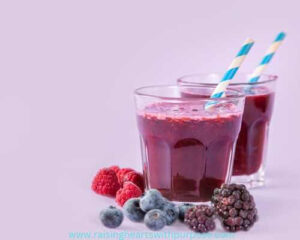
The Vibe: Vibrant, sweet, and delightfully deceptive. This smoothie turns a brilliant, deep purple or bright pink color (depending on your choice of berries), which kids find visually exciting. It tastes exactly like a fruity fruit-rollup or a berry sorbet, completely masking the fact that it contains a healthy dose of vegetables.
This is the ultimate recipe for parents of kids who refuse to look at anything green. It is an excellent morning antioxidant boost or a refreshing treat after an active afternoon outside.
The Ingredient Blueprint
The natural tartness and intense color of the berries are your best friends here, completely overpowering the taste and appearance of the hidden veggies.
-
1 cup Frozen Mixed Berries (Strawberries and Blueberries): Blueberries are the secret weapon if you are adding spinach, because their dark pigment turns the smoothie purple instead of a suspicious green.
-
½ cup Plain Greek Yogurt OR ½ cup Soy Milk: Both act as excellent protein foundations. Greek yogurt will yield a thicker, spoonable smoothie, while soy milk keeps it lighter and easily drinkable through a straw.
-
3 tablespoons Hemp Hearts: These blend down completely smooth, adding an unnoticeable protein and Omega-3 brain boost.
-
The Stealth Veggie Base: Choose 1 cup of raw baby spinach OR ½ cup of frozen riced cauliflower.
-
The Spinach Route: Yields a gorgeous bright purple when mixed with dark blueberries.
-
The Cauliflower Route: Frozen riced cauliflower is virtually tasteless, adds zero color, and creates a beautifully thick texture without adding any grittiness.
-
The Protein Punch
-
Total Protein: ~14 to 16 grams.
-
This recipe beautifully balances plant-based protein from the hemp hearts with the clean protein from your yogurt or soy milk, making it a well-rounded, nutrient-dense option.
Simple Step-by-Step Instructions
-
Load the Liquids and Greens: Add your yogurt or soy milk to the blender first, then pack your spinach or riced cauliflower right on top of it. Blending the greens directly with the liquid first ensures every single leaf is completely pulverized before the rest of the ingredients go in.
-
Add the Extras: Toss in your hemp hearts and the frozen berries.
-
Blend to Perfection: Blend on high for a full 60 seconds. Because berry seeds and spinach require a bit of extra breakdown, a longer blend time ensures a perfectly silky, smooth texture with zero bits for picky eaters to complain about.
-
Serve: Pour into a colorful cup and label it a Monster Smoothie to lean into the fun, vibrant color.
Recipe 3: The Tropical Sunshine Boost
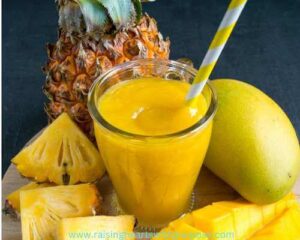
The Vibe: Bright, sunny, and incredibly refreshing. This smoothie tastes exactly like a tropical vacation or a creamy fruit sherbet. It leads with the naturally sweet, punchy flavors of mango and pineapple, which perfectly balance the rich creaminess of the protein base.
Because it is so light and bright, it is the perfect solution for kids who wake up with a low appetite or those who find heavy chocolate or peanut butter flavors too overwhelming first thing in the morning.
The Ingredient Blueprint
This recipe utilizes the high-protein magic of cottage cheese to create a creamy, tropical treat that tastes like a dessert.
-
½ cup Frozen Mango Chunks: Adds natural sweetness, vitamin C, and a smooth, velvety texture.
-
½ cup Frozen Pineapple Chunks: Provides a bright, tropical tang that easily cuts through the richness of the dairy.
-
½ cup Full-Fat Cottage Cheese: The ultimate stealth protein star of this blend. It mimics the texture of heavy cream or yogurt once blended, leaving behind zero curds and a mild, rich flavor.
-
½ cup Liquid Base: Use dairy milk, soy milk, or a splash of coconut milk for a true tropical piña colada style flavor profile.
-
1 tablespoon Chia Seeds: Adds a subtle nutritional anchor, serving up extra fiber and healthy fats to keep your child full and focused.
The Protein Punch
-
Total Protein: ~12 to 15 grams (depending on your choice of milk base).
-
An exceptional, whole-food protein yield that sets a bright, stable energetic foundation for the rest of your child’s day.
Simple Step-by-Step Instructions
-
Foundation First: Pour your chosen liquid base and the ½ cup of cottage cheese into the bottom of your blender.
-
Add Fruit and Seeds: Add the frozen mango, frozen pineapple, and the tablespoon of chia seeds.
-
Blend Until Velvet: Blend on high until the golden yellow color is completely uniform and the cottage cheese is entirely smoothed out. If the frozen tropical fruit makes the blend too thick for your specific blender, simply add an extra splash of your liquid base.
-
Serve: Pour immediately. For an extra festive touch that kids adore, garnish the rim of the cup with a little strawberry or a fun cocktail umbrella.
-
Tips for Smoothie Success with Picky Eaters
Tips for Smoothie Success with Picky Eaters
Getting kids excited about smoothies doesn’t have to be a daily struggle. A few simple tricks can make all the difference.
The Visual Trick: If your child is hesitant about green, purple, or other unusual smoothie colors, serve the drink in an opaque cup with a fun, colorful straw. Sometimes what they don’t see is exactly what helps them give it a try.
The Prep Hack: Save time on busy mornings by creating smoothie packs over the weekend. Portion fruits, vegetables, and other ingredients into freezer bags so all you need to do is blend and serve. It’s a two-minute breakfast solution that keeps healthy choices convenient.
The Leftover Win: Don’t let extra smoothie go to waste. Pour leftovers into popsicle molds and freeze them for a refreshing, high-protein snack later in the day. Kids love the treat, and you’ll love getting another serving of nutritious ingredients into their routine.
With a little creativity and preparation, smoothies can become an easy, delicious way to add more fruits, vegetables, and protein to your child’s diet, even for the pickiest eaters.
You will also love our series on Toddler Lunch Ideas