Let’s be entirely honest, the postpartum period is beautiful, but it is also an absolute masterclass in sleep deprivation. When you are surviving on broken two-hour stretches of sleep, tracking wet diapers, and trying to heal your own body, making a balanced, nutritious meal is usually the very last thing on your radar and if you’re breastfeeding, the stakes feel even higher. You’re burning an extra 500 calories a day just making milk, meaning you are constantly starving, completely depleted, and probably surviving on lukewarm coffee and whatever toddler snacks you can grab one-handed.
And another sets are our moms, they are notorious for skipping breakfast or surviving on lukewarm coffee and toddler leftovers. Frame the smoothie as the ultimate low-prep, one-handed breakfast that actually sustains their energy.
For the nursing moms, your body needs real fuel right now to heal, regulate your hormones, and keep that milk supply strong.
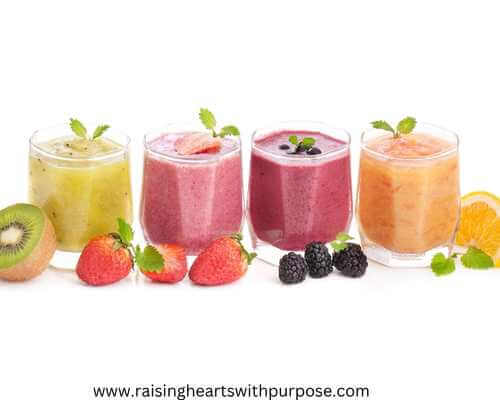
Enter the ultimate High-Protein Smoothies for Postpartum Healing & Exhausted Moms.
You can dump the ingredients into a blender with one hand, hit spin, and sip it while nursing or chasing a toddler. No frying pans, no heavy prep, and no cooking required. Here is exactly how to build a postpartum protein smoothie that actually fights fatigue, heals your body from the inside out, and keeps your milk supply thriving.
Whether you want to ensure your protein is safe to pass through breast milk, or you simply want to make sure you aren’t putting sketchy, unregulated chemical fillers into your own recovering body…

When you bring a new baby home, your entire universe shifts. Suddenly, your days and nights are measured in feeding windows, diaper changes, and stolen increments of sleep. In the midst of caring for a newborn, it is incredibly easy to put your own basic needs on the back burner. Breakfast becomes an afterthought, often reduced to a cold piece of toast grabbed on the way to the changing table, or a third cup of coffee.
But here is the truth that modern postpartum care often glosses over: Your body has just been through a massive medical event, and it cannot heal on empty calories.
Whether you had a physiological vaginal birth or a major abdominal surgery via C-section, your body is actively trying to rebuild itself. If you are breastfeeding, it is simultaneously working overtime to sustain another human life. To do both of these things successfully, while operating on minimal sleep, your body requires a steady, deliberate supply of macronutrients.
1.Rebuilding and Healing from the Inside Out
Think of protein as the heavy duty construction crew your body desperately needs right now. During pregnancy, your body underwent radical structural changes. Post-birth, it has to heal a dinner-plate-sized wound inside the uterus where the placenta detached, repair stretched or torn perineal tissues, and rebuild abdominal walls.
Protein is made up of amino acids, which are the literal building blocks of human tissue. Like my kid will always sing ” protein builds our body and repair worn out tissue. Without adequate protein intake, your cellular repair slows to a crawl.
-
Pelvic Floor and Core Recovery: Your pelvic floor muscles and deep core spent nine months carrying immense weight and were intensely stretched during delivery. To regain their strength and structural integrity, these muscles need amino acids to repair micro-tears and rebuild tissue.
-
C-Section Healing: If you had a C-section, you are recovering from major surgery that cut through multiple layers of skin, fat, fascia, and muscle. Protein specifically when paired with collagen is essential for cross-linking collagen fibers, which forms strong, healthy scar tissue and prevents wound complications.
When you don’t eat enough protein, your body is forced to steal amino acids from your own skeletal muscles to prioritize vital healing and milk production. This leaves you feeling physically weak, sore, and depleted. Eating enough protein ensures your body has the raw materials it needs to put you back together.
2.Stopping the Mid-Morning “Mom Crash”
We’ve all been there: It’s 10:00 AM, the initial surge of morning adrenaline has faded, and a wave of profound, bone deep exhaustion hits you out of nowhere. You feel shaky, irritable, and completely overwhelmed by the simplest tasks.
While sleep deprivation is obviously a factor, this specific crash is almost always driven by a blood sugar spike-and-drop.
When you start your morning with a carb-heavy breakfast (like a bagel, a bowl of sugary cereal, or a sweet pastry alongside your coffee), your blood sugar skyrockets. Your body responds by pumping out insulin to clear the sugar from your bloodstream. Because there is no protein or healthy fat to slow down digestion, your blood sugar plummets just as quickly as it rose.
This blood sugar crash triggers a biological emergency state in your body. It screams for quick energy, leading to intense cravings for more sugar and simple carbs, trapping you in a vicious, grumpy cycle all day long.
How Protein Fixes This: Protein takes much longer for your body to break down and digest than carbohydrates. When you include a heavy hit of protein in your morning smoothie, it slows down the absorption of glucose into your bloodstream. Instead of a sharp spike and crash, you get a gentle, sustained release of energy. It stabilizes your hormones, keeps your mood steady, and eliminates that jittery, low energy fog that makes postpartum fatigue feel ten times worse.
3.Why Carbs Alone Won’t Cure Breastfeeding Hunger
If you are nursing or pumping, you already know that lactation hunger is an entirely different beast. It is a primal, ravenous hunger that can strike in the middle of the night or immediately after a feeding session.
This happens because milk production is an incredibly energy intensive process. Exclusive breastfeeding burns roughly 400 to 500 calories a day, the metabolic equivalent of walking about seven miles daily.
Because your body is expending so much energy, it demands quick fuel. The instinct is to grab easy, fast-acting carbohydrates like crackers, chips, or cookies. However, carbs alone are burned up by your metabolism almost instantly. They offer zero staying power. If you try to fuel a breastfeeding metabolism on simple carbohydrates alone, you will find yourself constantly starving, never feeling truly satisfied, and trapped in a state of chronic nutrient depletion.
Protein triggers the release of satiety hormones (like peptide YY and cholecystokinin) that signal to your brain that you are genuinely full and safe. By pairing your necessary carbohydrates (like fruit or oats in your smoothie) with a dense protein source and healthy fats, you give your body a slow burning fuel source. This satisfies that deep, cellular breastfeeding hunger, keeps you full for hours, and ensures that your body isn’t sacrificing its own muscle mass to produce calorie-dense breast milk.
4 Quick, One-Handed Protein Smoothie Recipes
When you are holding a baby in one arm or trying to navigate a hectic postpartum morning, a recipe with fifteen steps and exotic ingredients is a hard pass. You need nutritional heavy hitters that require zero chopping, zero pre-cooking, and take less than two minutes from pantry to cup.
These four recipes are intentionally curated for the postpartum body. They feature short ingredient lists, focus on easy-to-grab staples, and taste incredible. Just throw everything into your blender, hit spin, and pour it into a spill-proof straw cup.
Recipe 1: The Liquid Gold Peanut Butter Oatmeal
Best for: Boosting breast milk supply OR staying full during long, chaotic mornings.
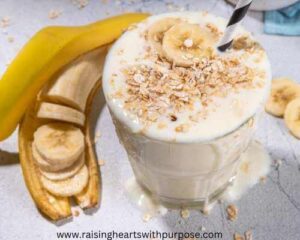
While oats and flax are famous for supporting lactation, they are also incredible complex carbs that keep any busy mom full and fueled for hours without a crash. If you are looking to support your milk supply while enjoying a breakfast that tastes remarkably like a peanut butter cookie, this is your go-to. This recipe relies heavily on traditional galactagogues, ingredients known to support lactation. Whole rolled oats provide complex carbohydrates and iron (low iron can negatively impact milk supply), ground flaxseed delivers essential omega-3 fatty acids, and creamy peanut butter adds a dense punch of healthy fats and protein to keep you full until lunch.
-
1 scoop of your favorite clean protein powder (Vanilla or Unflavored)
-
¼ cup rolled oats (no need to cook them, just throw them in raw)
-
2 tablespoons creamy peanut butter (or almond butter)
-
1 tablespoon ground flaxseed
-
1 ripe banana (frozen chunks work best for a milkshake texture)
-
1 cup oat milk or almond milk
-
Optional: A tiny drizzle of honey or a dash of cinnamon
Quick Instructions: Add the liquid and protein powder first to prevent sticking, dump in the oats, flaxseed, banana, and peanut butter. Blend on high for 45–60 seconds until the oats are completely pulverized and smooth.
Recipe 2: The Postpartum Glow Green Machine
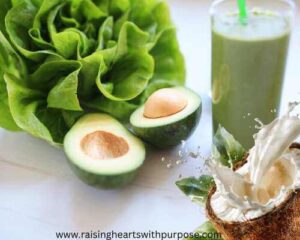
Best for: Tissue repair, healing abdominal/C-section incisions, and fighting fatigue.
Your skin, uterus, and pelvic floor need a massive amount of collagen to rebuild after birth. This vibrant green smoothie uses collagen peptides, which dissolve completely and are tasteless, making them incredibly easy on a sensitive postpartum stomach. We’ve paired it with spinach for a natural iron boost (crucial for replacing blood lost during delivery), avocado for brain-boosting healthy fats, and frozen mango to provide vitamin C, which is a mandatory cofactor your body requires to actually absorb and utilize iron and collagen.
-
1–2 scoops unflavored Collagen Peptides
-
1 tightly packed cup of fresh baby spinach
-
½ cup frozen mango chunks (adds natural sweetness and hides the spinach flavor)
-
¼ ripe avocado (makes it incredibly creamy and rich)
-
1 cup coconut milk or water
Quick Instructions: Place the spinach and liquid in the blender first and pulse until the leaves are broken down. Add the collagen, frozen mango, and avocado, then blend until ultra-smooth and creamy.
Recipe 3: The Dark Chocolate Berry Energy Shot
Best for: Fighting cellular inflammation and getting a guilt-free energy pick-me-up.
Postpartum fatigue causes deep cellular inflammation, which is why your body often craves chocolate and sugar when you’re tired. This recipe satisfies that chocolate craving while flooding your system with powerful antioxidants. Dark cocoa powder provides a rich flavor and a natural mood boost, while frozen mixed berries combat oxidative stress. Instead of heavy protein powders, this recipe gets its protein boost from hemp seeds, a tiny superfood packed with highly digestible plant-based protein, zinc, and iron.
-
3 tablespoons hemp hearts / hemp seeds (packs roughly 10 grams of pure protein!)
-
1 tablespoon unsweetened dark cocoa powder or cacao powder
-
1 cup frozen mixed berries (strawberries, blueberries, raspberries)
-
½ cup plain Greek yogurt (for an extra protein and probiotic punch)
-
1 cup chocolate or plain almond milk
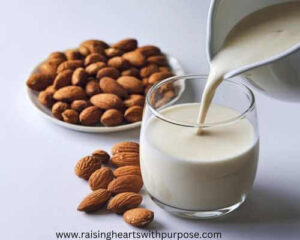
Quick Instructions: Toss all ingredients into the blender. Because hemp seeds blend down beautifully without leaving a gritty texture, simply blend on high for 40 seconds until smooth, rich, and dark.
Recipe 4: The 60-Second Tropical Hydrator
Best for: Replenishing fluids lost during nursing and giving your immune system a boost.
Did you know that dehydration is one of the leading hidden causes of both a drop in milk supply and severe afternoon headaches? Breastfeeding moms need to drink significantly more fluids than the average adult. This smoothie is designed for maximum, fast-acting hydration. Coconut water is loaded with natural electrolytes like potassium, Greek yogurt provides a massive hit of protein and gut-healthy probiotics, and frozen pineapple delivers a burst of tropical flavor alongside vitamin C to support your postpartum immune health.
-
¾ cup plain or vanilla Greek yogurt (high protein, zero prep)
-
1 cup frozen pineapple chunks
-
1 cup pure coconut water (unflavored)
-
1 tablespoon chia seeds (these absorb water and help keep you hydrated longer)
Quick Instructions: Pour the coconut water and Greek yogurt into the blender. Add the frozen pineapple and chia seeds. Blend for 30–45 seconds until it looks like a sunny, tropical vacation in a glass.
Whether you want to ensure your protein is safe to pass through breast milk, or you simply want to make sure you aren’t putting sketchy, unregulated chemical fillers into your own recovering body…
Whenever the topic of protein smoothies comes up in motherhood circles, one question inevitably follows: But is protein powder actually safe for my baby while I’m nursing?
It is a completely valid question. When you are breastfeeding, everything you consume feels high stakes because you know a portion of your nutrition passes directly to your little one. At one point when i was still breastfeeding my second i found out he was always having constipation, so i have to watch what i was eating at that time and started eating more of veggies and fruit and it stopped. So the little one take whatever we eat but in a liquid form.
The short answer is: Yes, high-quality protein powder is generally safe and incredibly beneficial during the postpartum and breastfeeding stages. Protein powder is simply a concentrated source of protein derived from foods like dairy (whey), peas, hemp, or collagen.
However, because the supplement industry is not tightly regulated by the FDA, you cannot just grab any random tub off the grocery store shelf. Some powders are packed with artificial fillers, heavy metals, or excessive caffeine and herbs that are not safe for a developing baby.
To keep you and your baby safe, here is exactly what you need to look for (and avoid) when reading a protein powder ingredient label.
1. The Safe Protein Checklist: What to Look for on Labels
When shopping for a postpartum-safe protein powder, less is always more. Turn the tub around and look for these three non-negotiables:
-
Third-Party Testing (The Most Important Step): Because supplements aren’t strictly regulated, look for brands that are independently tested by third-party organizations like NSF International, Clean Label Project, or USP. These certifications guarantee that what is on the label is actually what is in the jar, and more importantly, they test for harmful levels of heavy metals (like lead, arsenic, and cadmium) which can naturally occur in soil and accumulate in plant-based proteins.
-
Minimal, Whole-Food Ingredients: Choose powders with a short, recognizable ingredient list. The ideal protein powder should list the protein source (e.g., organic pea protein, grass-fed whey, or bovine collagen peptides) and perhaps a natural flavor or thickener. Avoid complex proprietary blends where you don’t know the exact quantities of the ingredients.
-
Safe Sweeteners: Skip the artificial sweeteners like sucralose, aspartame, and acesulfame potassium, which can alter gut health. Instead, look for powders sweetened naturally with a touch of monk fruit, stevia, or real cane sugar or better yet, buy unflavored protein powder and let the frozen fruit in your smoothie do the sweetening naturally.
2. Red Flags: Ingredients Breastfeeding Moms Should Avoid
While standard protein is excellent for you, many mainstream powders are formulated for gym-goers or weight loss, meaning they contain additives that are unsafe for a nursing infant. Avoid powders that contain:
-
Fat-Burning or Metabolism-Boosting Blends: These often contain hidden stimulants, high doses of caffeine, or green tea extract that can pass through breast milk and cause extreme fussiness, poor sleep, or a racing heart rate in your baby.
-
Adaptogens and Adaptogenic Herbs: Trends tell us to put ashwagandha, maca root, or medicinal mushrooms in everything. While great for general wellness, there is very little clinical data on how these potent herbs affect nursing infants. It is best to avoid them in your daily protein powder while lactating.
-
Excessive Synthetic Vitamins: Many protein powders double as a multivitamin. If you are already taking a high-quality prenatal or postpartum vitamin (which you should be!), adding a heavily fortified protein powder can inadvertently cause you to exceed safe upper limits for certain fat-soluble vitamins.
3. A Quick Note on the Best Protein Types for Postpartum
-
Collagen Peptides: Highly recommended for postpartum. It is completely tasteless, dissolves instantly, and specifically targets the repair of skin, connective tissues, and your pelvic floor muscles.
-
Grass-Fed Whey (If tolerated): If you and your baby do not have a dairy sensitivity, grass-fed whey is incredibly bioavailable and easy for your body to absorb.
-
Organic Pea, Hemp, or Pumpkin Seed Protein: Excellent plant-based options that are naturally free from common allergens. Hemp protein is a favorite because it naturally contains iron and healthy omega-3 fats.
The Ultimate Disclaimer: Every mother and baby dynamic is completely unique. If your baby has a known or suspected food allergy (like a cow’s milk protein allergy), you will need to be hyper-vigilant about your protein sources. Always trust your gut and consult with your International Certified Lactation Consultant (IBCLC), midwife, or pediatrician before introducing a new supplement into your postpartum routine. They can help you look at your specific health history to ensure your choice supports both your recovery and your baby’s development.
Let’s be real: when it is 7:00 AM, you’ve been awake four times since midnight, and a newborn is crying in your arms, even the simple act of opening three different bags of frozen fruit and unscrewing a protein tub can feel like climbing Mount Everest.
If a healthy routine takes too much physical effort in the morning, we won’t do it. That is why streamlining the process is just as important as the nutrition itself.
To turn your morning smoothie into a completely stress-free, brainless habit, use these two ultimate postpartum kitchen hacks.
1. The Freezer Bag Method: 7 Days of Breakfast in 5 Minutes
The secret to actually drinking a healthy smoothie every single day is doing all the work once, when you have a sliver of energy. Pick one day a week, Sunday afternoon while your partner holds the baby, or a quiet evening to batch-prep your weekly smoothies.
Instead of pulled muscles and clanking jars every morning, you are going to create dump-and-blend freezer packs.
-
Step 1: Gather Your Bags. Grab 5 to 7 reusable silicone freezer bags (like Stasher bags) or standard quart-sized Ziploc freezer bags.
-
Step 2: Assemble the Dry & Frozen Ingredients. Line your bags up on the counter. Into each bag, drop your frozen fruit, avocado chunks, raw spinach, oats, flaxseed, chia seeds, hemp hearts, and even your scoop of protein powder. Yes, the protein powder freezes perfectly fine.
-
Step 3: Press and Seal. Squeeze as much air out of the bags as possible, seal them flat, and stack them in your freezer.
The Morning Routine: When you wake up exhausted, you don’t have to think. You open the freezer, grab one single bag, dump the entire frozen contents into your blender, add your liquid base (like almond milk or coconut water), and hit blend.
You’re done in 60 seconds, and you only have one single measuring cup of liquid to worry about.
2. The One-Handed Spill-Proof Straw Cup: A Postpartum Mandatory
If you are a mom, you already know the universal rule of holding a baby: the moment they fall asleep on you is the exact moment you become instantly, desperately thirsty.
Drinking a smoothie out of an open-top glass or an unreliable shaker cup while holding a newborn or nursing is a recipe for disaster. One sudden baby startle or a toddler tugging at your yoga pants, and you’ll be scrubbing green smoothie out of your carpet or off your baby’s head.
Investing in a high-quality, completely spill-proof, insulated straw cup is a non-negotiable postpartum sanity saver.
-
Why a Straw Matters: When you are side-lying, nursing, or stuck under a contact nap, you cannot tilt a cup up to drink without hitting the baby’s head or blocking your view. A straw allows you to drink completely one-handed and at almost any angle.
-
Why Insulation Matters: Postpartum moms are notorious for leaving drinks sitting around. An insulated stainless steel tumbler ensures that if you get distracted by an explosive diaper blowout and come back to your smoothie two hours later, it is still ice-cold and fresh.
-
What to Look For: Look for a tumbler with a comfortable, ergonomic handle (so you can loop it over two fingers while cradling a baby) and a tightly sealed lid. Popular options like the Stanley Quencher, the Simple Modern Tumbler (highly praised for being genuinely leakproof), or a YETI Rambler with a straw lid will quickly become your third arm during the fourth trimester.
By taking five minutes to prep your bags on the weekend and keeping a reliable cup by your nursing chair, you remove every single barrier between your exhausted self and the deep, healing nutrition your postpartum body deserves.
Not Nursing? Why This is Still Your Ultimate Fatigue-Fighter
A quick, vital note: If you are formula-feeding, combination feeding, or your baby has long since transitioned to solid foods and you are still just completely exhausted, this smoothie strategy is for you, too.
Society often talks about postpartum nutrition only in relation to making breast milk, but your body requires intense replenishment regardless of how your baby is fed. You still grew a human for nine months. You still experienced a massive shift in your organs, a radical drop in hormones post-birth, and a significant physical event.
And let’s face it: waking up at 3:00 AM to sterilize bottles, measure scoops, and rock a crying baby requires just as much cognitive and physical energy.
When you are deeply sleep-deprived, your brain naturally craves quick dopamine in the form of sugar and ultra-processed convenience foods. This smoothie acts as a functional reset button for any tired mom. It floods your body with the exact amino acids needed to rebuild your core, regulate your nervous system, and lift that heavy mom fog, so you can handle the day on four hours of broken sleep.
You will also love to read one of our series, Breastfeeding Essential, for the nursing moms.