There is something deeply magical about creating something handmade for a little one. Whether you are prepping for your own new arrival, nesting furiously, or putting together a heartfelt baby shower gift, pouring your time and love into tiny stitches is incredibly satisfying.
But let’s be entirely honest for a second: boutique, high-quality organic baby clothes have become ridiculously expensive. Paying $30 or $40 for a single organic cotton romper that a baby will likely spit up on or blowout of within twenty minutes? It feels impossible to justify.
At the same time, as a busy parent, your time is your most precious commodity. The very last thing you need is a hyper-complex sewing project that leaves you buried under a mountain of pattern pieces, wrestling with finicky invisible zippers, or sewing microscopic buttonholes at midnight. When you only have a small window during naptime to create, you need a project that actually finishes.
That is exactly why this list exists.
We have rounded up the absolute best free baby sewing patterns on the internet that hit the ultimate trifecta: they are completely free, entirely beginner-friendly, and can be easily completed from start to finish in under two hours. Even better? Most of these are amazing scrap busters, meaning you can make them using tiny remnants of fabric you already have lying around the house.
Grab a cup of coffee, fire up your machine, and let’s dive into these quick, stress-free projects that look beautifully intentional without demanding your entire weekend.
Before you dive into your fabric stash or head to the craft store, let’s talk about fabric choice. When it comes to sewing for babies, the fabric you choose does 90% of the heavy lifting. You want materials that feel incredibly soft against sensitive newborn skin, can withstand an endless cycle of heavy-duty washing, and most importantly aren’t a nightmare to sew.
When you’re looking for a low-prep, stress-free sewing experience, here is exactly what to keep in mind:
1. Prioritize Breathable, Natural Fibers
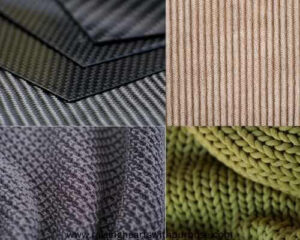
Babies have brand-new, delicate skin that easily gets irritated, and they can’t regulate their body temperature the way adults do. Because of that, you’ll want to skip the synthetic polyesters and stick strictly to natural fibers.
-
Organic Cotton: The gold standard. Look for cotton interlock, cotton lawn, or high-quality quilting cotton.
-
Double Muslin: This is that beautiful, crinkly, cloud-like fabric you see on high-end baby swaddles. It’s ultra-breathable, incredibly soft, and actually gets better with every single wash.
-
Linen Blends: For a gorgeous, minimalist aesthetic, a soft linen-cotton blend gives you that beautiful texture without being too stiff or scratchy.
2. The Great Debate: Knit vs. Woven (Keep It Easy)
If you’ve browsed baby clothes in store, you know most of them are made of stretchy knit fabrics. Knits are amazing for movement, but if you’re a beginner sewing on a standard sewing machine, they can sometimes feel a bit frustrating to work with because they stretch and curl as you sew.
-
The Low-Prep Secret: If you don’t own a serger or feel intimidated by stretch fabrics, stick to woven fabrics (like cotton lawn, linen, or muslin) for your first few projects. They lay perfectly flat, won’t slip around under your sewing foot, and are incredibly forgiving.
-
Want to try knits? Look for a stable cotton interlock or a cotton spandex blend that isn’t too thin, and use a ballpoint needle on your machine to prevent skipped stitches.
3. Safety First: Ditch the Choking Hazards
We all want our projects to look adorable, but safety is always the top priority.
-
Skip the extras: Avoid sewing on tiny plastic buttons, rhinestones, sequins, or long, dangling ribbons that could easily pull loose and become a choking hazard.
-
Safe alternatives: Opt for smooth, plastic utility snaps (which are incredibly easy to apply with a snap press tool), soft elastic, or simple fabric ties that are securely anchored into the seams.
4. The Non-Negotiable Golden Rule: Pre-Wash Everything
I know, I know when inspiration strikes, you want to cut into that beautiful fabric immediately. But natural fibers like cotton, linen, and muslin shrink significantly during their first trip through the laundry.
Because baby clothes are already so tiny, skipping this step could mean your beautifully sewn romper shrinks down to doll-size the first time it gets washed. Do yourself a favor: throw your fabric into a hot wash and a warm dry cycle before you print your pattern. That way, all the shrinkage happens before you ever cut a single piece, and the finished garment will fit perfectly.
When you only have a sliver of time, maybe a quick naptime window or an hour after dinner, these ultra-simple baby accessories are your best friend. They require very little fabric, zero complicated fitting, and yield almost instant gratification. If you are a complete beginner, start right here.
1. The Modern Bandana Drool Bib

Traditional bibs can sometimes feel bulky and cover up a cute outfit, but the bandana bib is as much a stylish accessory as it is a practical lifesaver for teething babies.
-
Why It’s So Simple: It is essentially just a soft triangle of fabric. You cut two pieces, sew them right-sides together, flip it inside out, topstitch, and add a snap.
-
The Low-Prep Fabric Secret: Use a cute patterned cotton or double muslin for the front, and back it with super-absorbent white terry cloth (old towels work great for this) or a soft cotton flannel.
-
Closure Tip: Avoid velcro, which scratches delicate baby necks and gets ruined in the wash. Instead, use plastic KAM snaps. They take five seconds to press on and stay secure forever.
2. The Contoured Burp Cloth
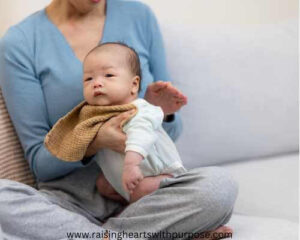
Let’s be real: you can never have too many burp cloths. But instead of standard rectangular rags that constantly slide off your shoulder, a contoured burp cloth is curved slightly in the middle to sit perfectly against your neck.
-
Why It’s So Simple: It uses just two pieces of fabric and features gentle, sweeping curves that are incredibly easy to navigate on a sewing machine.
-
The Low-Prep Fabric Secret: To make these feel ultra-luxurious and absorbent without costing a fortune, use a waffle linen or organic cotton gauze for the top layer, and a thick fleece or bamboo terry cloth for the back.
-
Pro-Tip: Make a bundle of three or four, tie them up with a piece of rustic twine, and you have a gorgeous, intentional baby shower gift ready to go.
3. The 10-Minute Top-Knot Baby Headband
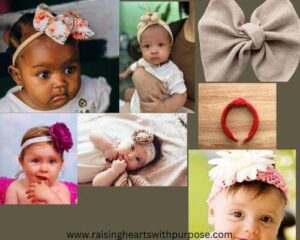
If you want to try sewing with knit (stretchy) fabrics but feel intimidated, this headband is the ultimate gateway project. It takes less than ten minutes and uses a tiny scrap of fabric.
-
Why It’s So Simple: It involves cutting a single long fabric strip with angled ends, folding it in half lengthwise, and sewing one straight seam (leaving a small gap to turn it right-side out). Once turned, you simply hand-stitch the opening closed and tie it into an adjustable top knot.
-
The Low-Prep Fabric Secret: You need something with a good, gentle stretch that won’t squeeze a baby’s head. Look for a soft cotton spandex knit or a ribbed knit fabric. Because it’s adjustable, it easily grows with the baby.
Once you’ve mastered a few simple accessories, it’s time to move on to items that add a touch of calm, functional beauty to the nursery. These two projects are highly practical, wonderfully minimalist, and require absolutely no tricky sizing or garment construction.
1. Nesting Fabric Diaper Baskets
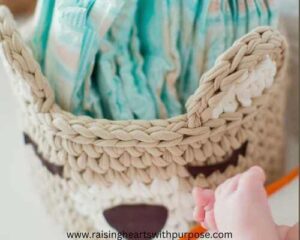
If you’re striving for a clutter-free, intentional nursery, you already know that storage bins are life. But instead of buying expensive plastic tubs or stiff wicker baskets, you can sew gorgeous, soft fabric bins that fit your space perfectly.
-
Why It’s So Simple: These baskets are just a combination of simple straight lines and boxed corners. Because they are completely soft, they can easily be thrown into the washing machine when things inevitably get messy.
-
The Low-Prep Fabric Secret: To give the baskets structure so they don’t slouch or cave in, use a heavy-duty fabric like cotton canvas, denim, or linen-cotton upholstery fabric for the exterior. For the interior, a simple quilting cotton works beautifully.
-
Pro-Tip: If your fabric feels a bit too floppy, fuse a layer of heavy-weight iron-on interfacing to the wrong side of your exterior pieces before sewing. It adds instant crispness with zero extra sewing steps! Use these to corral diapers, lotions, swaddles, or tiny wooden toys.
2. The Modern Sensory Tag Blanket
Babies love textures, and they are especially drawn to the silky edges of tags on blankets and toys. A sensory tag blanket satisfies that curiosity in a completely safe, intentional way.
-
Why It’s So Simple: It is a basic fabric square, meaning you only have to sew straight lines. The magic happens right before you sew the front and back together: you fold short pieces of ribbon in half and sandwich the raw edges into the seam, pointing inward. When you flip the blanket right-side out, the ribbon loops pop out perfectly along the edges.
-
The Low-Prep Fabric Secret: Texture contrast is key here. Pair a smooth, beautiful double muslin or organic cotton print on one side with a ultra-soft plush minky fabric or textured waffle knit on the back.
-
Safety Check: Make sure to backstitch over the ribbon loops a couple of times as you sew around the perimeter to ensure they are securely anchored and won’t pull out during playtime.
Sewing baby clothes can feel intimidating if you’re picturing tiny sleeves, intricate collars, and complex button bands. But baby garments don’t have to be complicated to be incredibly cute. By choosing minimalist styles with clever construction, you can whip up an entire wardrobe of zero-stress staples that are practical for everyday wear.
Here are three beginner-friendly garments that look high-end but require absolutely no advanced sewing skills:
1. The Minimalist Baby Bloomer or Diaper Cover
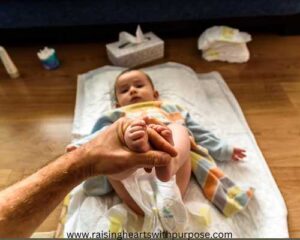
Nothing beats the classic look of a chubby-legged baby wearing a simple tee and a pair of linen bloomers. These are the ultimate quick-sew clothing item and a staple for warm-weather outfits or layering under dresses.
-
Why It’s So Simple: A basic bloomer pattern typically consists of just two pattern pieces a front and a back or sometimes just one piece cut on a fold. There are no pockets, no zippers, and no complicated flys.
-
The Low-Prep Fabric Secret: Woven cotton, lightweight denim, or double muslin work beautifully here. Because the shape is naturally billowy, the fabric doesn’t need to stretch.
-
Construction Tip: You’ll simply sew the side and crotch seams, then create simple fabric channels (casings) at the waist and leg openings by folding the raw edges over. Thread some soft elastic through the channels, secure the ends, and you’re done!
2. The Kimono-Style Wrap Top
If you’ve ever tried to pull a tight, traditional onesie over the head of a wiggly, screaming newborn, you know why wrap-style tops are a parent’s favorite choice.
-
Why It’s So Simple: Traditional shirts require you to set in tricky, curved sleeves. A kimono-style top features an overlapping front panel with sleeves that are often cut as part of the main body piece, drastically reducing the number of seams you have to sew. Plus, there are no buttonholes or zippers to install.
-
The Low-Prep Fabric Secret: Look for a stable, mid-weight cotton interlock or cotton jersey knit.
-
Closure Tip: To keep things entirely stress-free, skip the snap tools altogether and sew simple cotton twill ribbons or fabric ties into the side seams. You can easily wrap and tie the top closed, ensuring a cozy, adjustable fit.
3. Relaxed Harem-Style Baby Pants
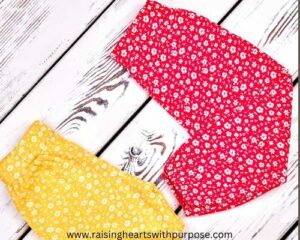
Babies need room to move, crawl, and accommodate bulky diapers especially if you use cloth diapers. Harem pants feature a dropped crotch and a relaxed fit through the hips, making them both incredibly comfortable for baby and incredibly forgiving to sew for you.
-
Why It’s So Simple: Because the fit is intentionally loose and slouchy, you don’t have to worry about hyper-accurate sizing or precise tailoring. If your seams are a little bit off, no one will ever notice.
-
The Low-Prep Fabric Secret: This is a fantastic project for soft knit fabrics, like a cozy French terry or a ribbed knit.
-
Construction Tip: Instead of folding over the waist and ankles to make an elastic casing, many harem pants patterns use simple fabric cuffs made from the same stretchy material. You just fold the fabric cuffs in half, stretch them slightly to match the openings, and stitch them right on. It gives a beautifully clean, boutique finish in a fraction of the time.
The Digital Pattern Cheat Sheet: Printing & Prepping
Before you dust off your sewing machine and jump into cutting your favorite fabric, let’s talk about the logistics of using free digital PDF patterns. Working with downloadable patterns is amazing, but if you don’t prep them correctly, you might end up with a garment that is way too big or way too small.
To keep your sewing session entirely stress-free, follow this quick checklist:
-
The Golden Rule of Printing: When you open your PDF pattern to print, always check your printer settings. Make sure the scaling is set to Actual Size or 100%. Do not select Fit to Page, or your printer will automatically shrink the pieces to fit inside standard paper margins.
-
Check the Test Square: Almost every digital pattern includes a small 1-inch or 2-centimeter test square on the very first page. Before you print all 15 pages of a pattern, print just that first page. Take a physical ruler and measure the square. If it matches perfectly, you are good to print the rest.
-
Assembly Made Simple: If your pattern requires taping pages together, don’t overcomplicate it. You don’t need to cut off every single paper border. Just trim the right and bottom borders of your pages, overlap them with the corresponding letters or numbers, and tape them down. A quick swipe of a glue stick works wonders here, too.
-
Trace for Longevity: If the free pattern includes multiple sizes (like 0-3 months up to 12-18 months) and you plan on making these again as the baby grows, don’t cut the original paper. Instead, use a sheet of cheap tissue paper, parchment paper, or medical tracing paper to trace off the exact size you need right now. That way, the master pattern remains intact for the future.
Start Small & Enjoy the Process
Sewing for a little one doesn’t have to be a massive, overwhelming production that takes up all your free time. By choosing minimalist, low-prep patterns and forgiving fabrics, you can easily experience the immense satisfaction of making something beautiful with your own two hands even during a single naptime window.
If you are a complete beginner, don’t feel pressured to tackle a full wardrobe right away. Start small. Whipping up a quick bundle of contoured burp cloths or a couple of bandana bibs will give you an instant confidence boost and a gorgeous, practical finished product. Before you know it, you’ll be breezing through a pair of cozy harem pants.
Now, I want to hear from you: Which of these free patterns are you excited to try first? Are you nesting for your own upcoming arrival, or are you pulling together a thoughtful, handmade gift for an upcoming baby shower?
Let me know in the comments below, and happy sewing.