The morning rush is a universal reality for parents. Between the alarm going off, packing bags, hunting down matching socks, and downing a lukewarm cup of coffee, the early hours can feel like a race against the clock. Trying to figure out what to feed a hungry baby amidst that chaos adds an entirely new layer of stress. It’s easy to fall into a routine of serving the exact same jar of puree or piece of plain toast every day, simply because it requires zero brainpower when you’re running on empty.
Getting a healthy Baby breakfast on the table before the morning chaos hits can feel like a high wire act. When you’re dealing with a baby, you aren’t just thinking about nutrition, you are managing texture transitions, developmental milestones like the pincer grasp, and let’s face it, a solid amount of cleanup.
The goal for baby’s first meal of the day is to make it nutrient-dense, easy to chew, and simple enough to prep while you are still waiting for your coffee to kick in.
But breakfast doesn’t have to be an elaborate, multi-step production to be highly nutritious. With a few simple, low-prep strategies, the first meal of the day can transform from a stressful hurdle into a calm, rewarding routine for both you and your little one.
More Than Just Fuel: The Hidden Benefits of Breakfast
While satisfying a hungry tummy is the immediate goal, breakfast is actually a prime developmental window. For babies, every single mealtime is a learning laboratory.
-
Sensory Exploration: Morning foods offer an incredible variety of textures and temperatures. The contrast between cool, creamy Greek yogurt, warm oatmeal, and a slightly crispy piece of toast fires up a baby’s sensory processing system. Letting them touch, smear, and squish these foods helps desensitize their tactile system, which can actually prevent picky eating habits down the road.
-
Fine Motor Practice: Whether your baby is working on the palmar grasp (using their whole hand to scoop up a soft egg strip) or refining their pincer grasp (picking up a single, smashed blueberry between their thumb and forefinger), breakfast foods provide the perfect, motivating target practice.
-
The Allergen Opportunity: Pediatric guidelines emphasize early and consistent introduction of common allergens. Because you want to monitor your baby for any potential reactions over the course of the day, breakfast is the absolute safest time to introduce items like eggs, peanut butter, tree nut flours, or dairy. Serving them first thing in the morning gives you a full day of observation, offering total peace of mind.
What This Guide Covers
No matter where you are on your feeding journey, this guide is packed with realistic, nutrient-dense ideas that won’t require you to wake up an hour early to cook.
We have broken down these morning meal solutions into two distinct categories to fit your family’s style: quick, satisfying options tailored for traditional Spoon-Feeding (Purees and soft bowls), and easy-to-grip, low-mess ideas perfect for Baby-Led Weaning (BLW). From freezer-friendly make-ahead hacks to breakfast bowls you can whip up in under sixty seconds, you’ll find plenty of inspiration to make your mornings smoother, healthier, and a whole lot sweeter. I love the fact of being healthier.
Golden Rules for Baby Breakfasts
Before diving into specific recipes and meal prep, it helps to have a simple framework for building a baby-friendly breakfast. You don’t need to count calories or track macronutrients; instead, focusing on a few foundational safety and nutritional principles ensures that every morning meal supports your baby’s growth and development. By keeping these three golden rules in mind, you can confidently assemble a plate that is safe, incredibly nutritious, and stress-free.
1. Keep it Low-Sugar: Prioritizing Whole-Food Sweetness
It is incredibly easy for sugar to sneak into the breakfast table. Traditional adult favorites like flavored yogurts, instant oatmeal packets, muffins, and boxed cereals are often packed with added sugars and processed syrups. Pediatric guidelines recommend avoiding added sugars entirely for the first two years of life, as a baby’s developing palate is highly adaptable. Introducing highly sweetened foods early on can condition them to prefer intense sweetness, making plain vegetables or grains harder to accept later. Oh, i learnt that earlier, even as a new mom before my second baby because personally i don’t like things being too sweet.
Instead of reaching for maple syrup, honey (which must be strictly avoided for babies under 12 months due to infant botulism risks), or cane sugar, leverage the natural sweetness of whole fruits.
-
The Mash Method: Stir half a mashed ripe banana or a spoonful of unsweetened applesauce directly into plain oatmeal or whole-milk yogurt.
-
The Spice Trick: Utilize warm, aromatic spices like cinnamon, nutmeg, or a dash of vanilla extract. These spices add a sense of sweetness and depth to grains and purees without adding a single gram of sugar, while also expanding your baby’s flavor horizon.
2. The Iron Focus: Fueling Brain Development First Thing
Around the six-month mark, a baby’s natural iron stores built up during gestation begin to deplete. Because iron is a critical nutrient for rapid brain development, cognitive function, and healthy red blood cells, ensuring your baby gets enough iron from solid foods is a top priority. Morning is the perfect time to focus on this, like i always quote, ” getting it right first” as a well-rested baby is often more receptive to eating and absorbing nutrients.
To optimize breakfast for iron absorption, aim to include iron-rich staples alongside a source of Vitamin C, which significantly boosts how well the body absorbs plant-based iron.
-
Iron-Rich Anchors: Fortified infant iron cereals, eggs (specifically the yolk), chia seeds, ground flaxseeds, hemp hearts, and nut butters are fantastic morning staples.
-
The Vitamin C Boost: Pair an iron-fortified porridge or an egg dish with a side of mashed strawberries, in a puree, or a few slices of kiwi. This simple combination ensures your little one gets the absolute most out of their meal.
3. Texture & Safety: Sizing and Prepping for Total Peace of Mind
Whether you are following a traditional puree route or jumping into baby-led weaning, managing textures properly is the number one way to prevent choking and build eating confidence. A baby’s airway is roughly the size of their pinky finger, meaning round, firm, or sticky foods present the highest risk.
Adapting everyday breakfast items for safety takes just a few seconds once you know what to look for:
-
The Squish Test: High-risk fruits like blueberries, blackberries, or raspberries should never be served whole. Always press them firmly between your thumb and forefinger to break the round shape and flatten them into a safe, easily chewable texture before serving.
-
The Finger Rule for BLW: If your baby is practicing self-feeding, look to cut foods into tiny strips that are roughly the size and thickness of an adult pinky finger. This allows a baby using a palmar grasp to hold the bottom of the food item in their fist while munching on the top section that sticks out. Soft-cooked sweet potato wedges, strips of omelet, or toast fingers are perfect examples. please always check the consistency, before giving baby.
-
Modifying Textures: Avoid thick, sticky globs of nut butter, which can easily get stuck in a baby’s throat. Instead, thinly cross-hatch a tiny smear of peanut butter onto a piece of warm toast so it melts into the bread, or stir a teaspoon of nut butter directly into a warm porridge or puree to thin it out safely.
Baby-Led Weaning & Finger Food Favorites (6+ Months)
If you are exploring Baby-Led Weaning (BLW) or transitioning your little one to table foods, breakfast is the absolute best place to start. At this stage, the goal is to offer foods that are soft enough to be mashed with gums alone, yet sturdy enough to survive being firmly grasped by a enthusiastic little fist.
Serving finger foods first thing in the morning gives your baby the energy and focus they need to practice their hand-eye coordination. These three nutrient-dense, finger-friendly breakfast options are quick to prepare, incredibly easy for tiny hands to manage, and guaranteed to minimize morning mealtime stress.
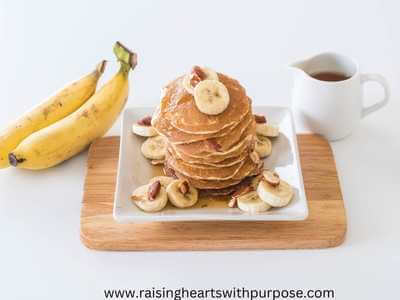
1. The Two-Ingredient Banana Pancakes
This recipe is a holy grail for a reason. Traditional pancakes can sometimes be too dry or require added sugars and refined flours, but these two-ingredient wonders are naturally sweet, incredibly soft, and naturally gluten-free. They have a tender, almost custard-like texture that melts down easily in a baby’s mouth, making them completely safe for early self-feeders.
-
The Blueprint: Take one medium, ripe banana (the riper and more speckled it is, the sweeter the pancakes will be) and mash it thoroughly with a fork until it forms a smooth paste. Whisk in one large egg until the mixture is fully combined and slightly frothy.
-
The Cooking Technique: Heat a non-stick skillet over medium-low heat and melt a tiny pat of unsalted butter or coconut oil. Pour the batter into small, oblong silver-dollar shapes rather than massive circles. Keeping them small and elongated makes them much easier to flip and perfectly sized for a baby’s grip. Cook for 2–3 minutes until bubbles form and the bottom is golden brown, then flip and cook for another minute.
-
Why It Works: Bananas provide a wonderful source of potassium and quick-release energy for a busy morning of playing, while the egg delivers high-quality protein and healthy fats. Best of all, these freeze beautifully. You can make a double batch, cool them completely, freeze them flat on a baking sheet, and pop them in the toaster on busy mornings.
2. Loaded Toast Strips
Toast is a fantastic vehicle for introducing different flavors and healthy fats, but a plain, dry piece of bread can easily stick to the roof of a baby’s mouth or pose a choking hazard. The secret to serving toast safely for baby-led weaning is all about how you slice it and what you smear on top. (please consider baby’s age, and swallow method)
-
The Preparation: Choose a dense, whole-grain, or sprouted bread (which offers more fiber and B-vitamins than white bread). Toast it gently, you want it firm enough that it won’t instantly turn to mush when wet with saliva, but not so hard, crunchy, or burnt that it scratches your baby’s sensitive gums. Cut the toast into long, vertical strips roughly the size and thickness of an adult pinky finger.
-
The Nutrient-Dense Toppings: A dry piece of toast is hard to swallow, so you want to load it with a spread that adds moisture, vitamins, and healthy fats.
-
Mashed Avocado: Rich in brain-boosting monounsaturated fats. Mash it smoothly with a tiny squeeze of lime juice to prevent browning.
-
Unsweetened Almond or Peanut Butter: Excellent for consistent allergen exposure. Remember the golden rule: apply a very thin smear that melts into the warm bread rather than a thick, sticky dollop.
-
Whole-Milk Ricotta or Plain Labneh: Soft, creamy, and packed with calcium and protein to support bone development.
-
-
Why It Works: Holding a sturdy strip of toast allows babies to practice gnawing, which helps map their mouths and teaches them how to move food from the front of their mouth to the back for swallowing.
3. Egg & Veggie Frittata Fingers
Eggs are an absolute powerhouse for growing babies, packed with choline (vital for brain health) and easily absorbable iron. While scrambled eggs can be incredibly frustrating for a six- or seven-month-old who hasn’t mastered the pincer grasp yet, a baked frittata can be easily sliced into perfect, mess-free finger food strips.
-
The Blueprint: Whisk 4 to 6 eggs together in a bowl with a splash of breastmilk, formula, or whole milk. Stir in finely chopped, pre-cooked vegetables. You want to make sure the veggies are soft and tiny so they don’t pose a choking risk, finely chopped steamed spinach, grated and squeezed zucchini, or mashed roasted sweet potato work beautifully.
-
The Cooking Technique: Pour the mixture into a greased loaf pan or an 8×8 baking dish. Bake at 350°F (175°C) for about 20 minutes, or until the center is completely set and no longer jiggly. Once it cools slightly, slice it into long, rectangular fingers.
-
Why It Works: The texture of a baked frittata is smooth, spongy, and incredibly forgiving for gums. It is also an excellent veggie camouflage strategy if you are trying to introduce greens early in the day. These can be stored in an airtight container in the fridge for up to three days, giving you a grab-and-go protein source all week long.
IV. Nutrient-Dense Spoon-Fed & Soft Options
While baby-led weaning is incredibly popular, spoon-feeding and serving soft, scoopable bowls remain a fantastic, comforting way to fill your baby’s belly in the morning. Whether you are practicing traditional puree feeding or doing a hybrid approach alongside finger foods, soft bowls are a lifesaver on sleepy mornings. They are highly customizable, incredibly fast to assemble, and serve as the perfect vehicle for packing in dense nutrition like healthy fats, fiber, and iron.
The secret to a great breakfast bowl is keeping it thick enough to cling to a spoon. This not only makes feeding easier for you, but it also allows your baby to practice pre-loaded spoon self-feeding, a wonderful milestone that keeps them engaged and builds independence.
1. The Ultimate Oatmeal Bowl
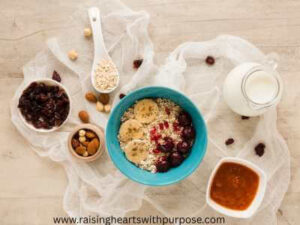
Oatmeal is a classic breakfast staple, but standard adult instant packets are often loaded with brown sugar and artificial flavorings. By building your baby’s bowl from scratch using plain oats, you can create an iron-rich, comforting breakfast porridge that keeps them full and satisfied until naptime. (please check consistency)
-
The Assembly: Cook 1/4 cup of plain rolled oats or iron-fortified infant oatmeal with 1/2 cup of breastmilk, prepared formula, or water. Once the oats are thick and warm, stir in a generous tablespoon of unsweetened pumpkin puree (or sweet potato puree) and a small dash of warming cinnamon.
-
Why It Works: Iron-fortified infant oats provide that critical daily dose of iron your baby needs for cognitive development. Stirring in pumpkin puree adds a natural, earthy sweetness without any added sugar, while delivering a massive boost of Vitamin A for eye health. The cinnamon adds a sensory pop of flavor, encouraging a broader palate.
-
Serving Tip: If your baby is practicing self-feeding, pre-load a thick scoop of this oatmeal onto a textured baby spoon and lay it on their tray. The thick texture means it won’t slide off when they lift it to their mouth.
2. Chunky Yogurt Bowls
Whole-milk Greek yogurt is a powerhouse breakfast food for babies. Unlike thin, watery yogurts, Greek yogurt has a thick, velvety consistency that is much less messy for babies to experiment with, making it a perfect soft option for early mornings.
-
The Assembly: Start with a base of plain, unsweetened whole-milk Greek yogurt. (Always opt for full-fat, as babies need the dietary fats for rapid brain growth). Top the yogurt with 3 or 4 fresh raspberries that you have thoroughly mashed with a fork. Finish the bowl with a light sprinkle (about half a teaspoon) of finely ground flaxseeds or chia seeds.
-
Why It Works: Greek yogurt provides an excellent source of calcium, protein, and gut-healthy probiotics to support digestion. Tangy raspberries offer a beautiful color contrast that visual babies love, along with Vitamin C to help support their immune system. Ground flaxseeds add dietary fiber and essential Omega-3 fatty acids, which keep things moving smoothly in the digestion department, especially helpful when introducing solids.
High-Heat & Rainy Day Slow Morning Ideas
Some mornings demand a slower pace. Whether you are trapped indoors by a torrential downpour or trying to keep the house cool during a summer heatwave, these slow mornings are the perfect opportunity to spend a few extra minutes prepping something comforting and unique. When you are not reaching, you try to do something special.
When the weather keeps you inside, cooking can become a fun, sensory indoor activity. These two recipes focus on slow-roasted, aromatic root fruits and vegetables. They fill the kitchen with incredible smells, require minimal hands-on effort once they hit the oven, and offer unique textures that challenge and excite your baby’s developing chewing skills.
1. Cozy Baked Apple Circles
Raw apples are one of the highest choking risks for babies due to their hard, crunchy texture. However, when cored, sliced into rings, and slow-baked or steamed, they transform into a tender, flexible finger food that is perfectly safe and incredibly satisfying for a teething baby to gnaw on.
-
The Blueprint: Choose a sweet, mild apple variety like Gala, Fuji, or Honeycrisp. Use an apple corer to remove the center, or simply slice the apple into thin rounds (about 1/4-inch thick) and pop the center core out of each slice with a small bottle cap or knife. You should be left with a collection of perfect apple donuts. Leave the skin on if the apple is cooked until completely collapsing, or peel it beforehand if your baby is under 8 months and still adjusting to mixed textures.
-
The Cooking Technique: Arrange the apple rings in a single layer on a baking sheet lined with parchment paper. Lightly dust both sides with ground cinnamon. Bake at 350°F (175°C) for about 15 to 20 minutes, or until the apples are completely translucent, wrinkled, and fork-tender.
-
Why It Works: Slicing the apple into a ring creates a built-in handle. A baby can easily loop their fingers through the center hole, giving them maximum control as they bring it to their mouth to practice jaw-mapping and gumming. The natural pectin in the apple keeps it moist, while the warm cinnamon provides a cozy flavor profile that makes the whole kitchen smell amazing on a gloomy or rainy morning.
2. Sweet Potato Breakfast Hash
Sweet potatoes are an absolute darling of the baby food world because of their naturally sweet flavor and velvety texture. One of my friend’s baby (Mma) almost made it her everyday food. While a simple baked sweet potato is great, turning it into a roasted breakfast hash introduces a slightly different exterior texture, helping your baby transition away from completely uniform consistencies.
-
The Blueprint: Peel one medium sweet potato and dice it into tiny, uniform cubes (roughly the size of a blueberry if your baby has developed a pincer grasp, or cut into longer, thick wedges if they are still using a full-hand palmar grasp).
-
The Cooking Technique: Toss the sweet potato pieces in a bowl with a teaspoon of olive oil or melted coconut oil and a tiny pinch of ground nutmeg. Avoid adding any salt, as a baby’s kidneys are too immature to process added sodium. Spread the cubes out evenly on a baking sheet, giving them plenty of space so they roast rather than steam. Bake at 400°F (200°C) for 20 to 25 minutes, tossing halfway through, until the insides are completely creamy and pillowy soft, and the edges are just barely golden.
-
Why It Works: Sweet potatoes are loaded with beta-carotene (which converts to Vitamin A), fiber, and complex carbohydrates that provide steady, slow-burning energy for a long day of indoor play. The addition of nutmeg provides a subtle, sweet, and nutty aroma that expands your baby’s flavor vocabulary beyond plain purees. It’s a comforting, warm dish that feels like a special weekend brunch, even on a quiet Tuesday morning inside.
Smart Prep Hacks for Tired Parents
Let’s be completely honest: nobody is operating at peak performance at 6:30 AM when a hungry baby is crying for breakfast. When you are running on broken sleep, the thought of pulling out mixing bowls, dicing vegetables, and standing over a hot stove can feel incredibly overwhelming. The secret to maintaining a nutritious, whole-food breakfast routine for your baby without losing your sanity is mastering the art of the morning shortcut.
By shifting your meal prep to times when your brain is actually firing, those moment you feel like giving your best, like during a Sunday afternoon naptime or right after the baby goes to sleep for the night, you can ensure that weekdays require almost zero effort. These smart prep strategies will help you get a healthy, homemade meal on your baby’s tray in less time than it takes to brew your morning coffee.
1. The Freezer is Your Friend: Batch-Baking & Flash-Freezing
If you are already making a mess in the kitchen to bake a batch of healthy banana pancakes or egg frittata fingers, it takes almost no extra effort to triple the recipe. The freezer is the ultimate tool for a tired parent, allowing you to build a stash of grab-and-go morning meals that retain all their nutritional value.
-
The Flash-Freezing Technique: The biggest mistake parents make is tossing warm, freshly cooked pancakes or egg muffins directly into a freezer bag. This causes them to steam, create ice crystals, and freeze together into one solid, un-savable block. Instead, let your baked goods cool completely to room temperature. Lay them out in a single layer on a parchment-lined baking sheet, making sure they aren’t touching, and place the whole sheet in the freezer for 1 to 2 hours. Once they are frozen solid (flash-frozen), transfer them into a labeled silicone stasher bag or freezer-safe container. Now, they won’t stick together, and you can pull out exactly one piece at a time.
-
The Fast Reheat:
-
Pancakes and Waffles: Pop them directly into the toaster on a low setting, just like you would with an adult frozen waffle. They will come out warm, slightly crisp on the outside, and perfectly soft on the inside in under two minutes.
-
Egg Muffins or Frittatas: Wrap one piece in a damp paper towel and microwave it on medium power for 30 to 45 seconds. The damp paper towel creates a steaming effect, ensuring the egg stays soft and spongy rather than turning rubbery. Always cut the food open and check the internal temperature before serving to make sure there are no dangerous hot pockets.
-
2. Overnight Magic: Zero-Cook Fridge Prep
There is an incredible sense of morning peace that comes from opening the refrigerator door and realizing that breakfast is already completely made. Overnight magic relies on time and hydration to do the cooking for you while the whole house sleeps.
-
The Component Strategy: Instead of assembling individual bowls every single night, spend ten minutes on Sunday night prepping large, multi-serving base components that keep beautifully in the fridge for 3 to 4 days.
-
Overnight Baby Oats: Mix rolled oats with breastmilk, formula, or plant-based milk in a large glass container. By morning, the oats will have absorbed the liquid, creating a thick, soft, creamy porridge that requires absolutely no cooking. You can serve it cold straight from the fridge on a hot summer day, or scoop a portion into a small bowl and microwave it for 15 seconds to take the chill off.
-
The Puree Layering System: Keep a few jars of simple, single-ingredient fruit and veggie purees (like pumpkin, butternut squash, or apple-berry) ready to go.
-
-
The 60-Second Morning Assembly: When the morning alarm goes off, your only job is assembly. Scoop out a few tablespoons of your overnight oats, swirl in a spoonful of pre-made veggie puree for color and vitamins, and add a quick dollop of nut butter for healthy fats. You’ve just served a complex, multi-textured, nutrient-dense breakfast bowl in under a minute, with only a single spoon left in the sink to wash.
Don’t Sweat the Mess: Playing is Learning
If you look down at the end of a meal and find yogurt in your baby’s eyebrows, mashed sweet potato smeared across the highchair tray, and a stray pancake strip on the floor, take a deep breath and give yourself a pat on the back. You are doing a fantastic job mama .
It is incredibly easy to feel overwhelmed by the sheer volume of cleanup that comes with feeding a little one, but that tabletop disaster is actually a sign of beautiful, developmental progress. When a baby squishes a raspberry between their fingers, drops a piece of toast to watch it fall, or smears oatmeal across their tray, they aren’t trying to test your patience, they are acting like little scientists.
Exploring textures with their hands is a vital prerequisite to exploring them with their mouths. Touching, playing, and even making a mess helps desensitize their tactile system, builds their fine motor confidence, and reduces mealtime anxiety. So, protect your sanity by putting a splat mat under the highchair, stripping baby down to just a diaper if it’s a particularly gooey meal, and remembering: the messier the face, the more learning that just took place.
Over to You
Every baby is completely unique, with their own hilarious preferences and favorite morning flavors. Some little ones are instant oat-devotees, while others won’t settle for anything less than a loaded avocado toast finger. They are all unique and deserve the best.