The ”Why” Why Toddler Snacks Are a Big Deal and Why They’re So Exhausting
If you feel like your entire day revolves around opening plastic wrappers, cutting grapes into microscopic pieces, or sweeping half-eaten rice cakes off the kitchen floor, you are not alone. Welcome to the relentless, high-stakes world of toddler snack duty.
One minute, they are crying because they are absolutely starving. The next minute, they are throwing a tantrum because you handed them a banana that was too banana-shaped. Or worse, the food they begged for, the one they ate three pounds of yesterday is suddenly declared yucky today.
It is exhausting. The constant asking for snacks can feel less like a nutritional need and more like a hostage situation. When the hangry tantrums hit, it’s incredibly tempting to just grab whatever pre-packaged, highly processed puff or cracker is closest, simply to keep the peace and stop the meltdown.
But what if we changed the way we look at that snack plate?
The Shift: Snacks Are Actually Mini-Meals

When we think of the word snack, our minds often drift to treats, empty fillers, or things that come out of a crinkly, processed bag. We tend to view them as a distraction to get us through the next hour, or a reward for good behavior.
It’s time for a mindset shift: Toddler snacks aren’t distractions. They are essential mini-meals.
Toddlers have tiny, fist-sized tummies and incredibly high energy demands. They are growing, learning, and burning calories at a massive rate, but they literally cannot hold enough food at breakfast or lunch to power them straight through to the next major meal. Because of this, snacks are a crucial bridge. They aren’t just extra calories; they are your secret weapon for bridging nutritional gaps.
When we start treating snacks as small, intentional opportunities to sneak in protein, healthy fats, and fiber, the pressure of a picky-eating phase at dinnertime completely melts away. If they didn’t touch their broccoli at dinner, it’s okay because you already loaded them up with nutrient-dense whole foods during their 3:00 PM mini-meal.
The Promise: Low-Prep, High-Nutrient, Zero-Cook
Here is the best part: turning snacks into high-quality mini-meals does not mean you need to become a short-order cook or spend your rare moments of quiet baking homemade veggie muffins.
We are leaving behind the complicated, high-prep recipes. You don’t need a Pinterest-perfect bento box shaped like a dinosaur to raise a healthy eater.
Instead, we are embracing a low-prep, stress-free approach that relies entirely on real, whole foods, smart combinations, and absolutely zero cooking.
In this post Healthy Toddler Snack: you’ll find simple, mix-and-match combinations that take less than two minutes to assemble, pack a massive nutritional punch, and are specifically designed to keep your toddler full, focused, and tantrum-free until dinner. No stove required. Let’s make snack time simple again.

The Golden Rule of Toddler Snack Nutrition
We’ve all been there: you hand your toddler a handful of standard puff snacks or a sleeve of refined crackers. They happily munch away, and peace is restored. But then, a mere twenty minutes later, they are whining at the pantry door again or having a massive meltdown over nothing.
What gives?
It all comes down to the blood sugar roller coaster. When a toddler eats simple, refined carbohydrates on their own, their body digests them almost instantly. This causes a rapid spike in blood sugar giving them a quick burst of hyper energy followed by a dramatic, sudden crash. That crash triggers a spike in stress hormones, which directly translates to those unpredictable hangry tantrums and an immediate demand for more quick-energy carbs.
To break this exhausting cycle, we use The Golden Rule of Toddler Snack Nutrition.
The Protein + Fiber + Fat Formula
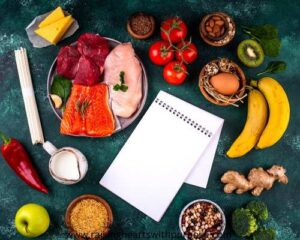
If you want snacks that actually satisfy and stabilize your toddler’s energy, you have to move past the single-ingredient snack. The secret to long-lasting energy and fewer tantrums is pairing your carbohydrates with slowing mechanisms.
Think of simple carbs as dry kindling on a fire, they burn bright and fast. Protein, fiber, and healthy fats act like big logs. They slow down digestion, ensuring that glucose enters your toddler’s bloodstream at a slow, steady drip rather than a sudden tidal wave.
-
Protein is the ultimate building block for their rapidly growing muscles and organs, and it takes time for little tummies to break down.
-
Fiber acts like a sponge in the digestive tract, slowing carbohydrate absorption and supporting a healthy gut.
-
Healthy Fats are absolutely non-negotiable for toddler brain development and provide the long-burning, sustainable fuel they need to play.
The Fullness Factor: Your Quick-Glance Checklist
You don’t need a degree in nutrition to build a balanced snack. When pulling items from the fridge or pantry, use this simple Power Pair checklist to make sure you’re hitting the formula.
Always aim to pair a Carbohydrate with at least ONE or both of the staying-power macros:
[ Carbs / Fruit / Veggie ] + [ Protein / Healthy Fat ] = A Full, Happy Toddler
-
Instead of: Just a banana (Quick burn)
-
Try: Banana coins + a drizzle of smooth, toddler-safe peanut butter (Carb + Fat/Protein)
-
-
Instead of: Just a handful of goldfish crackers (Quick burn)
-
Try: Goldfish + cubed pasture-raised cheese or a hard-boiled egg quarter (Carb + Protein/Fat)
-
-
Instead of: Just apple slices (Quick burn)
-
Try: Apple slices + a scoop of full-fat Greek yogurt for dipping (Carb/Fiber + Protein/Fat)
-
-
Instead of: Just cucumber slices (Quick burn)
-
Try: Cucumber slices + a generous dollop of nutrient-dense hummus (Fiber + Healthy Fat)
-
By ensuring every snack has a balance of macros, you increase the Fullness Factor. Your toddler stays genuinely satisfied for two to three hours, their energy levels remain completely stable, and you get a much-needed break from the constant kitchen requests.
Pick-and-Mix Snack Tray Ideas (No-Cook & Low-Prep)
The secret to a stress-free snack time is assembly, not cooking. When you look into your fridge or pantry, don’t think about recipes, think about elements. By grouping whole foods by texture and serving style, you can build an appealing, balanced plate in under two minutes.
To make this incredibly easy to copy, we’ve broken down our favorite no-cook, nutrient-dense snack boards into three distinct styles. Pick one based on what your toddler is craving today.
1. The Crunchy Mix
Toddlers love a sensory experience, and the satisfying crunch of raw or puffed foods is often a major draw. Instead of reaching for processed potato chips or standard puff snacks, build a colorful crunch board that satisfies that sensory need while packing a massive nutritional punch.
-
Mini Rice Cakes: Choose plain, whole-grain, or lightly salted versions. These provide a great, easy-to-hold carbohydrate base that digests cleanly.
-
Cucumber Slices: Cut these into thin rounds or matchsticks for easy gripping. They offer a refreshing crunch and a boost of hydration. (Pro-tip: If your toddler is picky about skins, peel them in a striped pattern to keep some fiber while making them easier to chew).
-
Freeze-Dried Fruit: Whether it’s strawberries, mangoes, or apples, freeze-dried fruit delivers an intense flavor and an ultra-satisfying crunch without any added sugars. It’s a fantastic shelf-stable alternative to fresh fruit.
-
Pumpkin Seeds (Pepitas): To ensure these are a safe texture for young toddlers, opt for raw or lightly toasted sprouted pumpkin seeds, which are naturally flat and easy to chew. They are small but mighty, loaded with zinc, magnesium, and healthy fats.
2. The Creamy Dip Board
If your toddler is in a phase where they refuse to eat things whole, try leveraging the power of a dip. Toddlers love autonomy, and getting to dip their own food makes snack time feel like an interactive game. Plus, rich, creamy bases are the perfect vehicle for healthy fats.
-
Mashed Avocado: A powerhouse of monounsaturated fats (essential for brain development) and fiber. Just mash it up with a tiny squeeze of lime juice to keep it from browning, and a pinch of salt.
-
Nutrient-Dense Hummus: Store-bought or quick-blended, hummus delivers a double-whammy of plant-based protein and complex carbohydrates thanks to chickpeas and tahini.
-
Soft Whole-Grain Pita Strips: Cut whole-wheat pita bread into long, sturdy strips. They act as the perfect edible spoon for scooping up thick dips.
-
Steamed Carrot Sticks: Raw carrots are a notorious choking hazard for toddlers, but you can quickly steam a batch of carrot sticks ahead of time and keep them in the fridge. They stay firm enough to dip but are soft enough to safely mash between little gums.
3. The Quick Protein Boost
When you need a heavy-hitting snack that will keep them full during a long car ride or right before a busy afternoon at the park, focus entirely on staying power. This board leans heavily on high-quality proteins and fats to coat the stomach and stabilize energy levels.
-
Cubed Pasture-Raised Cheese: Look for grass-fed cheddar, gouda, or mild provolone. Cutting it into bite-sized cubes makes it fun to pick up, providing a dense source of calcium, protein, and fat.
-
Hard-Boiled Egg Quarters: Eggs are nature’s multivitamin, packed with choline for brain health. Hard-boil a few at the start of the week, peel them, and cut them into quarters lengthwise for an easy, soft protein boost.
-
Banana Coins with a Nut Butter Drizzle: Slice a banana into thick coins and lightly drizzle them with a smooth, runny, toddler-safe nut butter (like almond, cashew, or peanut butter). Note: Ensure the nut butter is thin or thinned out with a splash of warm water, as thick clumps of nut butter can be a choking hazard for young children.
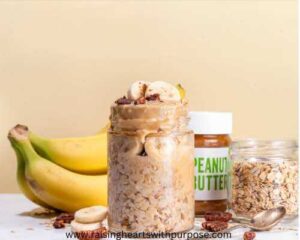
How to serve: Grab a small partitioned plate, a silicone muffin tray, or a simple cutting board. Throw one or two items from these lists together, and you have a perfectly balanced, vibrant mini-meal ready to go.
Smart Strategies for Picky Eaters & Low-Stress Serving
You can assemble the most nutritionally balanced, colorful snack tray in the world, but if your toddler refuses to touch it, it does you no good. Feeding young children is rarely just about the food; it’s about psychology, autonomy, and boundaries.
When your toddler enters a picky phase or starts rejecting whole foods, it’s easy to panic and revert to processed comfort foods. Instead of turning the kitchen into a battlefield, use these three smart, low-stress strategies to shift the dynamic and encourage healthy eating patterns.
1. Connection Over Correction: Handling Snack Refusal Without Power Struggles

The moment mealtime becomes a power struggle, the parent has already lost. Toddlers have very little control over their worlds, but they quickly realize they have absolute control over what they swallow. If they sense that you are desperate for them to eat a cucumber, they will use that as an opportunity to assert their independence.
-
Offer Structured Autonomy: Instead of asking an open-ended question like “What do you want for a snack?” which usually results in a demand for cookies, offer a choice between two pre-approved, healthy options. For example: “Would you like cucumber slices with hummus or mini rice cakes with peanut butter today?” Either way they choose, you win.
-
The Division of Responsibility: Keep the golden rule of feeding therapy in mind: You decide what to serve and when to serve it. Your toddler decides if they eat it and how much. If you put down a balanced snack plate and they refuse it, don’t beg, bargain, or offer an alternative. Calmly say, “You don’t have to eat it. The kitchen will be closed until dinner time.”
-
Remove the Pressure: If they say they don’t want it, simply leave the plate within reach while you do something else. Often, when the adult attention and pressure are removed, curiosity takes over and they will wander back to graze on the exact food they just rejected.
2. The Power of Presentation: Making Whole Foods Visually Appealing
Adults eat with their eyes first, and toddlers do too except they are even more sensitive to how things look, touch, and separate. Processed snacks are engineered to be uniform, predictable, and visually bright. We can use those same principles to make real foods look exciting.
-
Deconstruct and Separate: Many toddlers are intensely suspicious of foods that are mixed together. If you make a small yogurt parfait, they might reject it. But if you place the Greek yogurt, the berries, and a few crushed pumpkin seeds into separate compartments, it suddenly feels safe.
-
Utilize Bento Boxes and Silicone Liners: Brightly colored silicone muffin cups placed on a regular plate or inside a small bento box instantly transform ordinary ingredients into an exciting snack treasure chest. Putting a few cubes of cheese in a blue cup, some freeze-dried strawberries in a pink cup, and cucumber sticks in a green cup changes the entire sensory experience.
-
Fun Cutting Shapes: Invest in a cheap set of small vegetable cutters. Turning a slice of cucumber or a piece of melon into a star or a flower takes five seconds, but to a two-year-old, it makes the food feel special, novel, and highly approachable.
3. Setting Snack Boundaries: Establishing a Routine to Prevent Constant Grazing
One of the biggest culprits behind both picky eating and dinner-time refusal is grazing. When a toddler is allowed to mindlessly munch on a pouch, a bag of crackers, or a cup of milk all day long, their appetite is constantly blunted. They are never truly hungry enough to try a new vegetable at dinner, but they are never fully satisfied either.
-
Establish a Loose Routine: Toddlers thrive on predictability. Aim for a structured schedule of three main meals and two designated snack times (usually mid-morning and mid-afternoon). Knowing that food is coming at predictable intervals helps regulate their natural hunger cues.
-
Keep Food at the Table: Try to avoid letting your toddler walk around the house, play with toys, or watch TV while holding a snack container. Sit-down snacking not only reduces the risk of choking, but it also teaches mindful eating. When they are finished, the food stays in the kitchen.
-
Manage the Pre-Dinner Hour: The hour right before dinner is notorious for tantrums. If your toddler is melting down at 5:00 PM and dinner is at 5:30 PM, do not give them a heavy snack that will ruin their meal. Instead, offer an appetizer basket, a small plate of raw veggies (like thin cucumber slices or bell pepper strips). If they are genuinely hungry, they will eat the veggies. If they are just bored or seeking a comfort snack, they will decline, and you won’t have ruined their appetite for dinner.
Progress Over Perfection
At the end of the day, remember this: feeding a toddler is a marathon, not a sprint. There will be days when your little one happily munches on cucumber slices and pumpkin seeds, and there will be days when they live almost entirely on air and a single piece of cheese.
That is completely normal.
You do not need a picture-perfect kitchen, a background in nutrition, or hours of spare time to raise a healthy eater. Nourishing your toddler can be incredibly simple. By focusing on the quick Protein + Fiber + Fat formula and utilizing low-prep, whole-food boards, you are giving their bodies exactly what they need without burning yourself out in the process. Take a deep breath, drop the kitchen guilt, and embrace the beauty of simple assembly. You’re doing a fantastic job.
You will also love one of our series: Toddler Lunch Ideas