Baby’s First 4th of July: The Low-Stress Guide to Keeping Your Infant Safe and Cool
There is something so magical about experiencing a major holiday through your baby’s eyes for the very first time. You picture the tiny American flag onesies, the family photos, the smell of backyard barbecues, and the sweet memory of your little one witnessing their first sparkle of celebration.
But if we are being completely honest? It is also totally normal to feel a massive wave of underlying anxiety.
Trying to navigate peak summer heat, packed neighborhood block parties, disrupted nap schedules, and booming fireworks with an infant can feel like a recipe for a total sensory meltdown for both of you. You might find yourself wondering, Is it even worth going out? How do I keep them safe in the blazing sun? Will the fireworks terrifyingly break their sleep routine for the next week?
First, take a deep breath. It is incredibly valid to feel overwhelmed by the logistics.

Moving from Picture-Perfect to a Flexible Rhythm
Here is the secret to surviving and actually enjoying the holiday: we have to ditch the expectation of a rigid, picture-perfect day and instead embrace a flexible rhythm.
Our babies don’t need a flawless, highly curated holiday schedule. What they need most is to feel safe, cool, and regulated. When we shift our focus away from forced family timelines and toward keeping everyone’s nervous systems calm, the pressure melts away. If your baby spends the peak afternoon heat napping in a dark, air-conditioned bedroom instead of sitting poolside, that isn’t a failure that is excellent parenting.
The Golden Rule for the Fourth: Connection over perfection. A regulated, comfortable baby means a relaxed, happy parent.
The Power of Anticipating Their Needs
You don’t need a high-stress, high-prep plan to make this day a success. By simply anticipating your baby’s sensory and temperature limits ahead of time, you can stay one step ahead of the overtired, overheated danger zone.
In this guide, we are breaking down the absolute best low-prep, stress-free strategies to protect your little one’s sensitive skin, navigate the blazing summer sun, and shield their delicate ears from the loud festive booms. With a few intentional boundaries and a heavy dose of grace, your entire family can truly enjoy the day on your own terms.
Navigating Peak Summer Heat: Clothing, Hydration, and Safe Cooling
When it comes to peak July temperatures, babies have a much harder time regulating their body temperature than we do. Because they don’t sweat efficiently yet, they can overheat quickly. Protecting your infant from the summer sun doesn’t require a high-stress setup just a few intentional, low-prep adjustments to their wardrobe and feeding routine.
The 10-Degree Rule for Holiday Dressing

It is tempting to dress babies in festive, heavy denim overalls or multi-layered tulle dresses for those holiday photos. However, the safest choice for extreme heat is lightweight simplicity.
A great rule of thumb is the 10-Degree Rule: dress your baby in what you would feel comfortable wearing if the weather were 10°F hotter.
-
Material Matters: Opt for a single layer of loose-fitting, breathable fabrics like organic cotton, bamboo, or linen. A simple, light-colored short-sleeve bodysuit or rompers work beautifully.
-
The Photo Hack: If you have a specific festive outfit that is a bit heavy, pop it on for a quick 5-minute photo inside the air conditioning, then immediately change them back into their breathable, low-prep summer gear before heading outdoors.
-
Keep a Spare: Bring two more changes of clothes than you think you need. Sweat, spit-up, and diaper blowouts happen faster in the heat.
Hydration Rules: Under vs. Over 6 Months

Keeping your baby hydrated is your best defense against the summer sun, but the rules change drastically depending on your little one’s developmental stage.
| Baby’s Age | Hydration Strategy | Key Safety Note |
| Under 6 Months | On-Demand Milk Only (Breastmilk or Formula) | No water at all. Extra water can flush out essential sodium, leading to a dangerous condition called oral water intoxication. Offer the breast or bottle more frequently than usual. |
| Over 6 Months | Milk + Small Sips of Water | You can introduce small sips of cool water from a straw or open cup alongside their normal milk feeds. Water supplements hydration but does not replace milk meals. |
A Note for Feeding Mothers: If you are nursing, the intense summer heat means your hydration needs skyrocket too. Your breastmilk will automatically adapt to become more watery and hydrating for your baby during a heatwave, so make sure you are nursing on demand and downing a glass of water or electrolytes every single time your baby feeds.
How to Spot Overheating (Before it Becomes an Emergency)
Babies can’t tell us when they are getting too hot, and relying on cold hands or feet can be incredibly misleading due to their developing circulatory systems. Instead, make it a habit to perform a quick physical check every 20 to 30 minutes while outdoors.
Gently place the back of your hand on their chest, back, or the back of their neck. If it feels hot or damp, they are too warm.
Early Warning Signs of Overheating:
-
A deeply flushed, red face
-
Rapid, shallow breathing
-
Extreme fussiness, irritability, or unusual restlessness
-
A damp neck or chest (heat rash starting to form)
What to do immediately: If you notice any of these signs, don’t wait. Move your baby to a shaded, air-conditioned space or a cool room right away. Strip them down to their diaper, wipe them down with a cool, damp washcloth, and offer a feed to help cool their core temperature from the inside out.
Creating a Mobile Cool Zone On the Go
Whether you are heading to a neighborhood parade, a backyard barbecue, or a community park, you don’t need a massive trunk full of gear to keep your baby safe. You just need to know how to maximize shade and air circulation using a few smart, low-prep essentials.
Here is how to set up an instant mobile sanctuary to shield your little one from intense midday rays.
The Stroller Greenhouse Effect (A Critical Safety Warning)

When the sun is beating down, it is a natural instinct for parents to drape a dark blanket, jacket, or even a light muslin swaddle over the stroller canopy to block out the light.
Please avoid doing this.
Covering a stroller even with a seemingly breathable cloth completely cuts off air circulation. It creates a dangerous greenhouse effect, trapping stagnant air inside. Studies have shown that wrapping a stroller on a hot day can cause internal temperatures to skyrocket within minutes, significantly increasing the risk of heat exhaustion.
-
The Low-Prep Fix: Leave the front of the stroller completely open to allow cross-ventilation.
-
The Better Tool: Use a battery-operated, child-safe clip-on fan with foam or tightly webbed plastic blades. Angle it so it circulates the air across your baby’s body without blowing directly into their face continuously.
Backyard and Park Boundaries: The Pop-Up UV Tent
If you plan on spending more than a few minutes stationary outdoors, creating a designated safe zone on the grass or sand is a lifesaver.
A lightweight, pop-up UV-rated tent is one of the most effective, stress-free investments you can make for summer parenting. It provides instant, reliable UPF 50+ sun protection and creates a physical boundary that keeps your baby off hot concrete, damp grass, or burning sand.
The Sensory Reset Hack: A pop-up tent isn’t just for sun safety; it serves as an excellent low-stimulation boundary. When the holiday crowds, loud music, and chatter become too intense, you can retreat inside the tent with your baby for a quiet, low-prep connection break, a calm feeding, or a peaceful contact nap away from prying eyes.
Sunscreen and Skin Protection Rules
An infant’s skin is incredibly thin, delicate, and highly susceptible to sunburn. Because their bodies cannot process chemicals the way adult skin does, protection methods vary heavily by age:
-
For Babies Under 6 Months: The American Academy of Pediatrics (AAP) recommends keeping infants under 6 months out of direct sunlight entirely. Your primary lines of defense should always be physical shade, wide-brimmed sun hats, and lightweight clothing. However, if adequate shade and clothing are absolutely unavailable, you may apply a minimal amount of baby-safe sunscreen to small, exposed areas like their face and the backs of their hands.
-
For Babies 6 Months and Older: You can confidently apply sunscreen to all exposed areas of skin.
Look for Mineral-Based Formulas
When shopping for baby sunscreen, skip the chemical formulas and look for mineral sunscreens (often labeled as physical sunscreens). These should list Zinc Oxide or Titanium Dioxide as the active ingredients.
Unlike chemical sunscreens that absorb into the skin, mineral formulas sit on top of the skin like a physical shield to reflect UV rays away. Apply it generously 30 minutes before heading outdoors, and don’t forget to reapply every two hours or immediately after any water play.
The Sensory Survival Guide: Handling Fireworks, Loud Noises, and Big Crowds
Independence Day is a sensory explosion. While adults love the booming music, cheering crowds, and explosive firework finales, to a baby’s fresh nervous system, this environment can feel incredibly overwhelming, intense, and unpredictable.
You don’t have to lock yourself indoors all weekend to protect your little one. Instead, you can shield their developing senses using a few mindful, protective strategies rooted in connection and emotional regulation.
Protecting Tiny Ears (The Non-Negotiable Gear)
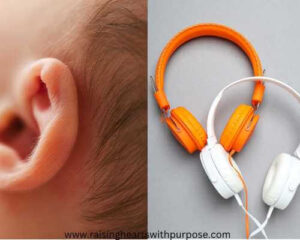
An infant’s ear canals are much smaller than ours, which means water pressure and sound waves become amplified. The booming crack of a commercial firework can easily reach over a level that can cause immediate discomfort and potential damage to delicate infant eardrums.
-
Invest in Infant Hearing Protection: Before the holiday arrives, purchase a high-quality pair of baby-specific, noise-canceling headphones (sometimes called ear defenders). Look for pairs with a soft, wide elastic headband rather than a hard plastic band, as these distribute pressure evenly across a baby’s soft skull.
-
The Practice Run: Introduce the headphones at home a few days before the 4th of July. Slip them on during a calm, low-stress moment while giving plenty of physical affection or offering a favorite toy. This ensures your baby doesn’t associate the headphones with fear or sudden, scary noises.
Co-Regulation: Being Your Baby’s Safe Harbor
When the fireworks start and the ground begins to vibrate, your baby is going to experience a spike in cortisol (the stress hormone). Because their brains cannot yet rationalize that the loud noises are just a celebration, they will immediately look to your face and body language to determine if they are safe.
This is where the magic of co-regulation comes in. If you are tense, anxious, or rushing around trying to soothe them with a panicked energy, their nervous system will match yours.
-
Focus on Your Breath: Take deep, slow, audible belly breaths. Hold your baby close to your chest so they can physically feel your steady heart rate and the rhythmic rise and fall of your breathing.
-
Embrace Babywearing: A supportive wrap or structured carrier is a lifesaver during a fireworks display. Keeping your baby chest-to-chest, safely tucked inward away from the flashing lights, provides deep pressure input that naturally lowers their heart rate and makes them feel secure.
-
Validate Their Big Feelings: If they startle or cry, skip phrases like “You’re fine!” Instead, use a calm, low-toned murmur: “That was a really big boom, wasn’t it? I’m right here. You are safe.” Your soothing tone matters infinitely more than the actual words.
The Early Exit Grace Policy
Before you even pack your diaper bag or head out the door, establish an explicit agreement with your partner or family: you have full permission to leave early.
An overstimulated, overtired infant who has reached their absolute sensory limit is incredibly difficult to settle back down. Pushing a baby past their comfort zone just to see the final three minutes of a firework show is rarely worth the grueling, hours-long bedtime battle that follows.
Give Yourself Grace: Choosing to leave the block party at 7:30 PM or sitting in a quiet, air-conditioned car with the white noise machine cranked up during the grand finale isn’t missing out, it is an incredible act of responsive, gentle parenting. Prioritizing your family’s peace over external expectations is a major win.
Protecting the Bedtime Routine (While Embracing Flexibility)
Between evening block parties, later sunsets, and neighborhood firework displays, the traditional 7:00 PM infant bedtime can easily get thrown out the window on the Fourth of July.
While it is entirely okay to embrace a little flexibility on a major holiday, you don’t have to surrender to a total sleep disaster. The trick is to anchor your baby’s nervous system with familiar sensory cues, even if their sleep is happening at a completely different time or location.
Maintain Your Anchor Habits
If you are celebrating away from home, your baby won’t have the familiar comfort of their nursery. You can easily recreate that security by packing a low-prep Sleep Survival Kit containing their exact home sleep cues:
-
The Same Sleep Sack: Don’t wash it right before the holiday, the familiar scent of home provides immediate comfort in a strange environment.
-
Portable White Noise: A pocket-sized, battery-operated white noise machine is your absolute best defense against sudden, unexpected neighborhood firework pops before the main show starts. Place it near the baby (but at a safe distance from their ears) to mask ambient holiday chaos.
-
The Routine Order: If your usual routine is bath, pajamas, book, feed, keep the sequence identical, even if it’s condensed. Doing the steps in order signals to your baby’s brain that sleep is coming, regardless of where they are.
Low-Prep Travel Blackout Hacks
If you are putting your baby down for a nap or an early evening sleep at a relative’s house, summer sunlight can make it incredibly difficult for their brain to produce melatonin (the sleep hormone). You can quickly create a dark, sensory-friendly sleep space on the go with these hacks:
-
Travel Blackout Suction Shades: Lightweight fabric panels with suction cups can be stuck directly onto windows in less than 30 seconds to instantly block out external light and flashing firework glares.
-
The Trash Bag Trick: If you are caught completely empty-handed, ask your host for two black heavy-duty garbage bags and some painter’s tape. Taping them over the window takes two minutes and creates a completely pitch-black sensory reset room.
Always ensure that whatever temporary solution you use does not block airflow or create a safety hazard near the portable crib.
Simplicity Over Perfection
At the end of the day, an infant’s first 4th of July doesn’t need to look like a perfectly curated social media feed. It doesn’t matter if you missed the grand finale fireworks because you were cuddling your baby in a dark bedroom, or if your beautifully planned holiday outfit was swapped for a plain, breathable diaper by 2:00 PM.
What your baby will remember and what their nervous system will carry is the feeling of being safe, cool, protected, and deeply loved by you amidst a chaotic world.
To all the exhausted, hard-working mothers and parents navigating this holiday: give yourself an enormous amount of grace. You are doing a fantastic job. Lower the bar, prioritize connection over external expectations, and protect your peace. Happy Fourth of July!
You may also love to see one of our series What to Pack in your Diaper Bag for a stress-free 4th of July Parade.