Toddler lunches are a unique challenge. One day they love avocado; the next day it’s the worst thing you’ve ever shown them. The goal is always the same: keep it low-prep, nutritionally balanced, and easy for little hands to manage. Here is a structured breakdown of toddler lunch ideas, focused on simple combinations, easy prep, and clever ways to serve them so the food actually ends up in their bellies.
Picture this: It’s 11:45 AM. You’ve just successfully survived a morning of sensory play, a minor meltdown over a missing blue crayon, and three rounds of Baby Shark or Cocomelon. You walk into the kitchen with a vision. You gracefully slice an avocado, perfectly cube some organic cheese, and arrange a beautifully balanced plate that belongs on a Pinterest board.
You set it down. Your toddler looks at it, looks at you, says Yuck, and pushes the plate directly onto the floor. Sound familiar? Welcome to the wonderful, wild, and incredibly unpredictable world of toddler lunches.
It is a universal parenting truth that toddlers can love broccoli on Tuesday and treat it like toxic waste on Wednesday. Trying to figure out what to feed a tiny human who changes their mind every five minutes is exhausting, not to mention the pressure we put on ourselves to make every meal a nutritionally perfect masterpiece. But here’s the good news mama: lunchtime doesn’t have to be a battleground, and you don’t need to be a short-order cook.
Today, we are stripping away the mealtime stress. No elaborate recipes, no hidden veggie purees that take an hour to blend, and absolutely no guilt. Grab a cup of coffee (even if you have to reheat it for the third time), and let’s talk about how to make toddler lunches the easiest part of your day.
Why Toddler Lunches Feel So Hard (The Mindset Shift)
If you have ever found yourself staring at a beautifully prepared lunch that your toddler just threw across the room, crying tears of sheer frustration, please take a deep breath. You are not a bad cook, and you are definitely not alone. Feeding a toddler feels impossibly hard because, honestly, the odds are stacked against us. But once you understand why they do what they do, it changes everything. It turns a frustrating power struggle into a predictable developmental phase.
The Why Behind the Food Refusal
Before we can fix the menu, we have to understand the tiny human sitting in the high chair. Toddler food rejection rarely has anything to do with the flavor of your cooking. Instead, it’s usually driven by three biological and developmental factors:
-
The Craving for Control: Between the ages of 1 and 3, toddlers suddenly realize they are separate individuals from their parents. They can’t control when they sleep, what they wear, or when they leave the park, but they realize they have 100% control over what passes through their lips. Food refusal is often just a toddler flexing their independence muscles.
-
The Growth Spurt Slump: An infant grows at lightning speed, which requires a massive amount of calories. Around age one, a toddler’s growth rate slows down dramatically, this stage as a mom gets me. In my second baby, i feel like i would have continued breastfeeding him, so funny till what stage? Because of this, their appetite plummets. Some days it seems like they are surviving entirely on air and three blueberries and biologically, that might actually be all they need that day.
-
Sensory Overwhelm: Toddlers are taking in millions of sensory inputs every second. A plate filled with a big casserole or foods that touch can feel incredibly overwhelming to a brain that is already overstimulated from a busy morning. If it looks confusing or complicated, their default defense mechanism is to say, “No.”
The Secret: Drop the Cohesive Meal and Meet the Toddler Charcuterie
So, how do we survive this phase without losing our minds? We need a total mindset shift.
We need to drop the expectation of the traditional cohesive meal.
As adults, we think a meal needs to be a unified dish, a sandwich, a bowl of soup, or a meat and potatoes plate. But to a toddler, a unified dish looks like an unpredictable trap. If they don’t like one ingredient in a mixed dish, the whole meal is ruined in their eyes.
The secret? Embrace the Toddler Charcuterie.
Think of lunch not as a meal, but as a small collection of independent ingredients. When you serve food separated, deconstructed, and in bite-sized pieces, you completely change the game:
-
It Lowers the Stakes: If they reject the shredded chicken, they can still eat the cheese cubes and crackers. The entire lunch isn’t a loss.
-
It Offers Visual Clarity: They can see exactly what each item is. There are no hidden surprises, which makes them feel safe enough to explore.
-
It Grants Independence: A snack-plate style empowers your toddler to choose what order to eat their food in, satisfying their desperate need for control without you having to bend over backwards.
When you shift your mindset from “I need to cook a lunch” to “I need to assemble a small board of finger foods,” the pressure vanishes. You save time, you stop wasting food, and lunch goes from a daily battleground to a relaxed, low-stress routine.
The Pick-and-Mix Bento Framework
Now that we’ve shifted our mindset away from cooking complicated meals and toward assembling easy finger foods, let’s talk about how to actually build the perfect plate.
You don’t need a fancy meal plan, a specialized grocery list, or an hour of prep time. All you need is this simple, four-part formula. Think of this as your permanent lunch checklist. Every single day, just open your fridge, pick one item from each of these four categories, drop them onto a divided plate or into a bento box, and call it a day.
By hitting these four categories, you are automatically guaranteeing a lunch that stabilizes their blood sugar, keeps them full until naptime, and fuels their growing brains.
1. The Protein / Main (For Lasting Energy & Growth)
Protein is the building block for your toddler’s rapidly growing muscles, but it’s also the component that keeps them full so they don’t wake up cranky an hour into their nap. The key here is texture, make sure it’s soft enough for easy chewing.
-
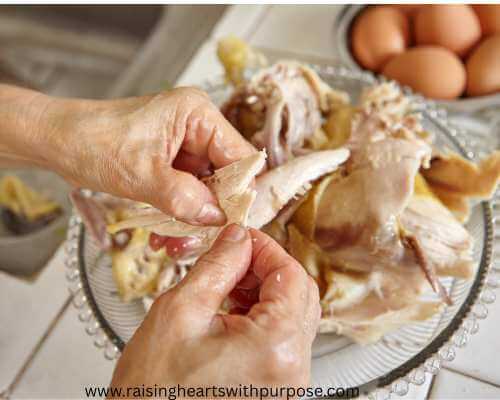
Shredded Chicken or Turkey: Lean, soft, and easy to grab. (Leftover rotisserie chicken is a goldmine here)
-
Black Beans or Pinto Beans: Rinsed thoroughly. Toddlers love individual beans because they are perfect for practicing their pincer grasp.
-
Hard-Boiled Egg Coins: Instead of mashing it, slice a hard-boiled egg into round coins. It looks fun and is much less messy.
-
Hummus: A magic protein source. Use it as a dip or smear it directly onto a cracker.
-
Canned Tuna or Salmon: Flaked gently with a fork. It’s incredibly soft and packed with omega-3s.
2. The Healthy Fat (For Brain Development)
A toddler’s brain is growing at an astronomical rate, and up until age two (and beyond!), a massive portion of their daily calories should come from healthy fats. Fat is also the secret weapon for satisfying their hunger.
-
Avocado Cubes: Soft, creamy, and packed with nutrients. (If they slip out of your toddler’s fingers, roll the cubes in crushed crackers or nutritional yeast for extra grip)
-
Full-Fat Cheese Cubes or Strings: Choose mild cheddar, mozzarella, or Swiss. Cut them into manageable, bite-sized cubes or pull strings into short threads.
-
Nut or Seed Butter: A thin smear of peanut, almond, or sunflower seed butter on whole-wheat toast or a cracker. Note: Keep the layer thin to prevent choking.
-
Full-Fat Greek Yogurt: A couple of spoonfuls in a small bowl or divider, perfect for dipping fruit or licking off fingers.
3. The Produce (For Vitamins, Color & Fiber)
This is where we add color and hydration to the plate. Don’t worry about giant portions here, a few berries or veggie sticks go a long way. If they reject fresh veggies, try steaming them so they are ultra-soft.
-
Berries: Blueberries (gently smashed to prevent choking), halved raspberries, or quartered strawberries.
-
Cucumber Matchsticks: Peel the tough outer skin and slice the watery, crunchy inner flesh into thin, easy-to-hold sticks.
-
Thawed Frozen Peas or Corn: A literal lifesaver on busy days. Just run warm water over a handful of frozen peas for 30 seconds, and they are ready to serve.
-
Steamed Broccoli Florets: Steam them until they are fork-tender. Toddlers often love broccoli because the top looks like a mini tree.
-
Canned Fruit (in 100% juice): Diced peaches or pears are incredibly soft and easy for a toddler to spear with a fork.
4. The Finger-Food Carb (For Quick Fuel)
Carbohydrates give your toddler the fast, accessible energy they need to fuel their play. Whenever possible, look for whole-grain options to provide a slower release of energy and keep digestion smooth.
-
Whole-Grain Cracker Squares: Perfect for stacking with cheese or dipping into hummus.
-
Leftover Pasta Spirals or Tubes: Rotini, penne, or bowtie pasta left over from last night’s dinner. Cold or room temperature is perfectly fine.
-
Mini Pita Pockets: Tear a mini pita into halves or triangles for easy grabbing.
-
Oatmeal Squares or Soft Granola Bars: Broken into bite-sized pieces.
-
Rice Cakes: Lightly spread with a little butter or avocado mash.
How to Use the Visual Checklist:
Print this list out or save it on your phone. Tomorrow at lunchtime, don’t overthink it. Just scan the list and look in your fridge:
-
Got leftover chicken? (Protein)
-
Got a slice of cheddar cheese? (Fat)
-
Got a handful of blueberries? (Produce)
-
Got a handful of crackers? (Carb)
Boom. Lunch is served in under 120 seconds, you didn’t have to turn on the stove, and your toddler has everything they need for a balanced, stress-free meal.
4 Low-Prep Lunch Ideas (That Require Zero Cooking)
Now that you have the framework down, let’s look at how this plays out in real life. These four meal ideas require absolutely zero time over a hot stove, take less than five minutes to pull together, and utilize basic staples you likely already have in your pantry or fridge right now.
1. The Deconstructed Taco Plate
Think of this as a tiny, toddler-friendly burrito bowl. Instead of wrapping everything tightly in a tortilla which makes it hard for little hands to manage and leads to immediate frustration, you serve every single taco component completely separate.
-
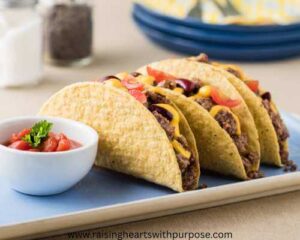
What’s on the Plate: A scoop of rinsed canned black beans, shredded mild cheddar cheese, a small handful of quartered cherry tomatoes, and a few whole-wheat tortilla strips or baked corn tortilla chips.
-
How to Assemble: Grab a divided plate. Put the black beans in one section, the shredded cheese in another, and the cut tomatoes in a third. Place the tortilla strips or chips right next to them. If your toddler likes dips, add a tiny dollop of sour cream or guacamole in the center.
-
Why Toddlers Love It: It feels interactive and non-threatening. Toddlers love to inspect their food. By separating the ingredients, they can see exactly what they are eating. Plus, it gives them options: they can scoop the beans with a chip, pile the cheese on top of a tomato, or just eat each item one by one. It satisfies their need for control perfectly.
2. Cookie Cutter Mini Sandwiches
Sandwiches are a lunchtime classic for a reason, but a giant, square sandwich can feel incredibly overwhelming to a small child. By simply changing the shape and size, you instantly turn a boring lunch into a novelty experience.
-
What’s on the Plate: Two mini, fun-shaped sandwiches (like stars, hearts, or dinosaurs) filled with a thin layer of sunflower seed butter and mashed banana, or thin turkey and hummus. Serve with a side of steamed carrot coins or soft cucumber slices.
-
How to Assemble: Assemble a regular sandwich using soft whole-wheat bread and your choice of spread. Take a metal or sturdy plastic cookie cutter and press down firmly right in the center of the sandwich to punch out the shape. (Bonus tip: Save the crust cutouts for yourself, or chop them up into bread croutons for later)
-
Why Toddlers Love It: Shape matters immensely to a toddler. A sandwich shaped like a star isn’t just food, it’s an activity. Removing the crusts also eliminates a major sensory trigger for many picky eaters. Because the sandwiches are cut down to a miniature size, they are incredibly easy to grip, lift, and bite without the whole thing falling apart in their hands.
3. The Leftover Pasta Salad
Don’t let last night’s dinner go to waste. Leftover pasta is a magic ingredient for toddler lunches because it actually tastes fantastic straight out of the fridge, requiring zero reheating time.
-
What’s on the Plate: Cold rotini, penne, or bowtie pasta tossed with a splash of olive oil, tiny diced pieces of leftover rotisserie chicken or soft tofu, and a handful of thawed frozen peas or corn kernels.
-
How to Assemble: Pull your leftover pasta from the fridge. Toss a cup of it into a bowl with a drizzle of olive oil or a tiny spoonful of mild Italian dressing. Toss in your diced chicken and a handful of frozen peas (no need to cook the peas, just run them under warm tap water for 30 seconds to thaw them out). Mix it all together and spoon it onto their plate.
-
Why Toddlers Love It: Shaped pasta like spirals (rotini) or bowties are a sensory delight for toddlers. They are highly tactile and perfect for practicing their fine motor skills and pincer grasp. Because everything is tossed together but still clearly identifiable, it feels like a fun, colorful treasure hunt, to pick out the peas or chicken pieces with their fingers or a toddler-safe fork.
4. The Muffin Tin Smorgasbord
This is the ultimate secret weapon for rainy days, high-heat summer days when no one wants to cook, or those specific days when your toddler is refusing absolutely everything you put in front of them.
-
What’s on the Plate: A standard 6-cup muffin tin filled with tiny, random finger foods. Examples: 4 blueberries, a few whole-grain crackers, 5 cheese cubes, a few shreds of chicken, 3 cucumber slices, and a small puddle of yogurt or ranch for dipping.
-
How to Assemble: Take a clean muffin tin. Walk around your kitchen and grab tiny bits of whatever leftovers or snacks you have. Place a single type of food into each individual muffin cup. Keep the portions incredibly small, just a few bites per cup.
-
Why Toddlers Love It: It completely gamifies lunchtime. Sitting at a high chair with a standard plate can sometimes feel like a chore to a busy toddler who just wants to play. Serving lunch in a muffin tin completely removes the pressure. It looks like a toy, it feels like a tasting game, and it allows them to graze happily. It is the single best way to get a picky eater to try a variety of foods without a single power struggle.
3 Genius Hacks to Stop the Food Refusal
You’ve got the framework, you’ve got the menu ideas, but what happens when your toddler still takes one look at the plate and shakes their head? Before you give up and open a box of neon-orange goldfish crackers, try these three behavioral hacks.
These aren’t sneaky tricks to hide vegetables; instead, they are simple changes to the environment and presentation that reduce a toddler’s anxiety and gently nudge them out of a food strike.
Hack 1: Shrink the Portions (The Micro-Plate Method)
As well-meaning parents, our instinct is to fill up a plate to ensure our kids get enough to eat. But to a toddler, a heavily loaded plate doesn’t look like a delicious buffet, it looks like a mountain of work they are being forced to climb, my Muna will start shouting from just the sight of the food. Giant portions trigger an immediate flight-or-fight response in an overwhelmed little brain, leading to an instant, defensive “No”
-
How to Do It: Serve what looks to you like a comically small amount of food. We are talking about two slices of cucumber, three shreds of chicken, and four blueberries. Seriously, that’s it. Leave plenty of empty space on the plate.
-
The Psychology Behind It: Tiny portions are mentally manageable for a toddler. They look at the plate and think, Hey, I can finish that. It removes the visual overwhelm and replaces it with a sense of accomplishment when they finish their food.
-
The Golden Rule: Always tell them, This is just a little bit. If your tummy wants more, you can ask for seconds. Empowering them to ask for more flips the dynamic entirely, suddenly, they are the ones choosing to eat more food, rather than you begging them to do it.
Hack 2: Change the Tool (Novelty Overcomes Fear)
Sometimes, the food isn’t the problem at all; it’s the routine. Toddlers thrive on novelty, and eating off the same plastic plate with the same blunt baby spoon day after day can get boring. When a toddler is bored or feeling stuck, they default to refusal. You can instantly bypass a power struggle simply by making the mechanism of eating feel like a brand-new game.
-
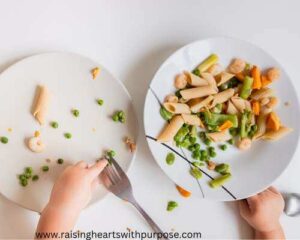
How to Do It: Ditch the standard toddler fork and get creative. Try using
-
-
Fun Food Picks: Small, colorful plastic animal picks or child-safe toothpicks, we apply this method very well in my home, my help will always do singing and dancing rehearsal during mealtime just to distract these creatures thinking.
-
-
Mini Utensils: Tiny cocktail forks, appetizer spoons, or even clean ice cream tasting spoons.
-
The Dip Factor: Serve a side of dip (ranch, yogurt, ketchup, or guacamole) and tell them their food is a paintbrush and the dip is the paint.
-
-
The Psychology Behind It: When you hand a toddler a novel tool, their brain shifts from Mealtime Power Struggle Mode to Play Mode. They stop focusing on the fact that they are eating a piece of turkey and start focusing on the fine motor skill of spearing it with a tiny plastic giraffe pick. Novelty lowers their guard and invites curiosity.
Hack 3: The Safe Food Rule (The Nutritional Anchor)
There is nothing more discouraging to a toddler than sitting down to a plate filled entirely with unknown or intermittent foods. If everything on the plate feels experimental to them, they will reject the entire thing to keep themselves safe. To get a toddler to try new or less-favored foods, they need to feel secure first.
-
How to Do It: Every single time you serve a meal, ensure there is at least one anchor food on the plate that your toddler almost always accepts. If they are currently hyper-fixated on strawberries, strawberries go on the plate alongside the new pasta salad. If they love cheddar cheese, cheese is always present.
-
The Psychology Behind It: The safe food acts as a comfort blanket. It reassures your toddler that there is something on this plate they like and know how to eat, which significantly reduces mealtime anxiety.
-
The Strategy: Do not comment on what they eat first. If they eat all of their safe food and leave the rest, resist the urge to say, Now take a bite of this. Just having the other foods sitting harmoniously next to their favorite food helps desensitize them to the texture and smell, paving the way for them to try it willingly in the future.
The Bottom Line: Give Yourself Some Grace
At the end of the day, remember this: your toddler’s appetite is going to fluctuate. They will have days where they eat like a grown teenager, and days where they seem to survive entirely on a single slice of cheese and absolute vibes.
And that is completely okay.
Our job as moms isn’t to force a specific number of calories into them at every single meal. Our job is simply to provide healthy options, lower the stress at the table, and keep mealtime a positive experience. A happy, fed toddler and a calm, un-frazzled mom are the ultimate goals here, even if lunch today looked a lot more like a random snack plate than a gourmet meal.
So, drop the guilt, step away from the stove, and embrace the beautiful simplicity of the pick-and-mix plate. Well done mama! You are doing a fantastic job.