Summer break is officially here, and while the long, sunny days sound dreamy in theory, the reality of surviving them with a toddler can feel a little daunting. When the clock strikes 10:00 AM, the tantrums start, and you’ve already used up all your usual tricks, it is incredibly tempting to hand over the iPad or turn on the TV just to catch your breath. And even if you do it one time, will you continue on it knowing fully well, it is not the right approach. Trust me, we’ve all been there.
But if you’re hoping to cut back on the digital entertainment this season and keep those little minds engaged, you’re in the right place.
You don’t need an expensive theme park pass or a backyard filled with complex setups to keep your 2- or 3-year-old entertained. Toddlers are naturally curious, and with a few everyday household items, you can create hours of independent play.
In this post, we are breaking down the ultimate list of genius, low-prep, and completely screen-free summer activities for toddlers. These ideas will burn energy, boost their development, and most importantly give you enough time to actually finish your iced coffee while it’s still cold. Let’s dive in.
The Ultimate Toddler Summer Secret: The Power of Water Play
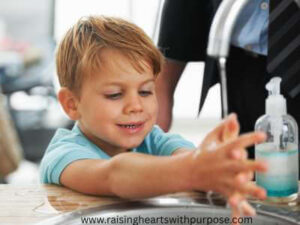
If you take only one sanity saving tip away from this entire guide, let it be this: when in doubt, just add water.
There is something almost magical about the relationship between a toddler and water. You need to see the smile and happiness on my Eze, when even he comes across a bucket of water that has a scoop in it, oh! you have given him work for the day, because he will continue scooping water until the bucket is empty. He doesn’t want to know if there is another empty bucket around because the floor can serve. Pediatric occupational therapists often refer to water play as a powerful sensory regulator. In everyday parent terms? It is the ultimate reset button for a grumpy, overstimulated, or bored toddler.
If your two-year-old is in the middle of a massive meltdown, whining at your ankles while you try to make lunch, or bouncing off the walls with chaotic energy, plopping them in front of a container of water will instantly shift the mood. My Eze is one example. Even better, water play captures a toddler’s notoriously short attention span longer than almost any expensive toy on the market. It buys you a much-needed pocket of peace to actually finish a thought (or a cup of coffee).
Here are three genius, low-prep ways to harness the power of water this summer:
A. The Toy Car Wash
Toddlers are obsessed with mimicking adults and love having a job. The Toy Car Wash combines their love for vehicles with the sensory joy of bubbles, turning a basic chore into an exciting game.
-
The Materials: A large plastic storage bin (or a water table), warm water, a generous squirt of tear-free baby soap or dish soap, old toothbrushes or dish scrubbers, and a collection of your toddler’s favorite plastic toy cars, trucks, or plastic animals.
-
How to Set It Up: Fill the bin with warm water and mix in the soap until it’s nice and bubbly. Gather up the dirty vehicles and line them up next to the bin. Tell your toddler that their toys had a long, muddy day on the road and desperately need a deep clean at the car wash.
-
The Toddler Challenge: Show them how to dip a car into the bubbles and use the toothbrush to scrub the wheels, the roof, and the headlights.
-
The Pro Parent Hack: To extend this activity for another 20 minutes, set a second bin right next to the soapy one filled with clean, plain water. Now, they have a multi-step mission: scrub the car in Bin 1, rinse the soap off in Bin 2, and line them up on a dry towel to dry.
B. Ice Block Treasure Hunt
On those brutally hot July afternoons when it’s simply too warm to run around outside, this is the ultimate activity to cool things down. It takes a tiny bit of prep the night before, but the entertainment payoff is massive.
-
The Materials: A large Tupperware container or silicone cake pan, small waterproof plastic toys (like plastic dinosaurs, target-dollar-spot animals, or large colorful rings), a plastic medicine dropper, a syringe (from old infant Tylenol bottles), or a kid-friendly spray bottle.
-
How to Set It Up: The night before, drop the plastic toys into your container, fill it with water, and freeze it overnight. The next day, pop the giant ice block out of the container and place it inside a large plastic bin on the kitchen floor or out on the grass. Hand your toddler a bowl of warm water and their spraying or dropping tools.
-
The Toddler Challenge: Tell your toddler they are an arctic explorer on a rescue mission. They must use the warm water tools to slowly melt the ice and chip away at the glacier to free their trapped animal friends.
-
The Pro Parent Hack: Spray bottles and medicine droppers are incredible for a toddler’s fine motor skills because they strengthen the exact hand muscles needed later for holding a pencil and writing. If your toddler gets frustrated that the ice isn’t melting fast enough, sprinkle a little coarse table salt over the top of the ice block. It creates fascinating little melting tunnels that toddlers love to watch.
C. Paint the Fence
If the thought of setting up an activity makes you want to take a nap, this one is for you. It requires absolutely zero cleanup, zero prep, and costs nothing.
-
The Materials: A sturdy plastic bucket or a kitchen bowl, plain tap water, and a large, real paintbrush (a cheap 2-inch or 3-inch wall paintbrush from the hardware store works best, but a kitchen pastry brush works too).
-
How to Set It Up: Fill the bucket with water, hand your toddler the paintbrush, please make sure the brush is washed and clean to avoid leaving stain and step outside.
-
The Toddler Challenge: Lead them to a wooden fence, a concrete patio, a brick wall, or even the driveway. Tell them they have been hired to paint the house. Watch as they happily dip the brush into the water and stroke the surfaces, watching the wood or concrete magically turn dark as it gets wet. please ensure that your seat and cup of iced drink is already.
-
The Pro Parent Hack: The pure genius of this activity is that the summer sun will evaporate the water almost as fast as your toddler can paint it. Once their masterpiece dries, you can point out that the paint disappeared and challenge them to paint it all over again. It’s an endless, self-cleaning cycle of entertainment.
A Crucial Note on Water Safety
No matter how simple, shallow, or innocent the water play seems even if it’s just a couple of inches of water in a plastic storage bin on the porch toddlers require 100% undivided adult supervision around water. So, pull up a lawn chair right next to the splash zone, keep your eyes on your little explorer, and enjoy watching them learn through play.
Low-Prep Outdoor Boredom Busters
We all know that getting toddlers outside is the ultimate goal. Fresh air, sunshine, and room to run are the perfect ingredients for a long, glorious afternoon nap. But let’s be honest: sometimes the thought of packing up a massive diaper bag, loading everyone into the car, and driving to a crowded park feels completely exhausting.
The good news? You don’t have to leave your property to give your toddler an outdoor adventure. These three genius outdoor boredom busters require almost zero prep time from you, but they will keep your toddler moving, thinking, and burning off that endless energy right in your own backyard or driveway.
A. Sidewalk Chalk Color Matching

This activity is a fantastic double-whammy: it gets your toddler running around to burn physical energy, while simultaneously working their brain on cognitive skills like sorting and color identification.
-
The Materials: A pack of colorful sidewalk chalk and an outdoor concrete space (like a driveway, patio, or sidewalk).
-
How to Set It Up: Take 60 seconds to draw 3 or 4 large, solid circles on the ground using different colors of chalk (for example: a red circle, a blue circle, a green circle, and a yellow circle).
-
How to Play: Tell your toddler that they are on a Color Scavenger Hunt. Challenge them to run around the yard or garage to find objects that match the circles, and bring them back to place inside the correct color. They can gather green leaves for the green circle, a yellow dandelion for the yellow circle, or their blue outdoor toy truck for the blue circle.
-
The Pro Parent Hack: If your toddler clears out the yard quickly, expand the game by giving them specific clues to keep them moving. Say things like, “I spy something red near the back porch, can you run and find it?” This keeps them running back and forth, building up those gross motor skills and buying you more sit-down time.
B. The Nature Sticky Walk
If taking a walk around the neighborhood has turned into a battle of wills where your toddler refuses to walk and demands to be carried, you need to try this. It transforms a standard, boring walk into an interactive, independent mission.
-
The Materials: A roll of standard blue painter’s tape or masking tape.
-
How to Set It Up: Right before you step outside, wrap a piece of painter’s tape gently around your toddler’s wrist like a watch, but make sure the sticky side is facing out.
-
How to Play: Tell your toddler they are making a magical Nature Bracelet. As you walk down the sidewalk or wander around the backyard, encourage them to look for small natural treasures to stick onto their tape. They can press small clover leaves, fallen flower petals, tiny twigs, and blades of grass directly onto the bracelet.
-
The Pro Parent Hack: Painter’s tape is the best choice for this because it’s sticky enough to hold leaves, but gentle enough that it won’t pull on their skin or tiny arm hairs when it’s time to take it off. When you get home, you can carefully snip the tape off with scissors and press it flat onto a piece of construction paper to preserve their summer nature art.
C. Cardboard Box Slide
If you have a collection of empty Amazon delivery boxes sitting in your garage or recycling bin, do not throw them away. This activity turns everyday household trash into a thrilling backyard playground feature.
-
The Materials: A large, sturdy cardboard box (the bigger, the better) and a low outdoor step or porch ledge.
-
How to Set It Up: Flatten the cardboard box completely so you have a long, smooth, flat piece of cardboard. Prop the top end of the cardboard over a low backyard step or porch ledge, securing the bottom on the grass or patio so it forms a ramp.
-
How to Play: There are two ways to enjoy this. First, your toddler can use it as a ramp to launch their toy cars, trucks, and balls down, watching how fast they roll into the grass. Second, if the step is very low and safe, they can sit on the cardboard and use it as a mini backyard slide for themselves.
-
The Pro Parent Hack: If the cardboard isn’t sliding well for their toy cars, rub a piece of wax paper (from your kitchen) vigorously all over the surface of the cardboard box. The wax will transfer to the box and make the cars slide down at lightning speed, which toddlers find absolutely thrilling.
Rainy Day & Too-Hot-To-Go-Outside Indoor Ideas
As much as we love the idea of spending all summer outdoors, the reality of a modern summer involves two major obstacles: torrential summer thunderstorms and brutal, dangerous heatwaves.
When it is 95°F (35°C) with high humidity, or pouring rain outside, staying indoors is a safety must. However, keeping a high-energy toddler trapped inside four walls can quickly lead to cabin fever for them and frayed nerves for you.
When you can’t burn off energy at the park, these three creative indoor ideas will transform your living room into an active playground without destroying your house.
A. Painters Tape Highway
When toddlers play with toy cars on a rug, they often lose interest quickly. But when you give them a visual, structured world to drive on, their imaginative play stretches out for hours.
-
The Materials: A roll of blue painter’s tape (which is completely safe for hardwood floors, tile, and carpets) and your toddler’s collection of toy cars, trucks, and emergency vehicles.
-
How to Set It Up: While your toddler is eating breakfast or napping, use the painter’s tape to stick roads all over your living room floor. Create long straightaways, sharp curves, intersections, and even little parking spots.
-
How to Play: Hand your toddler their vehicles and let them explore the new highway. You can designate different areas of the room as destinations, like The Couch Kitchen or The Toy Box Garage, to encourage them to drive back and forth.
-
The Pro Parent Hack: Take this to the next level by building 3D elements. Prop a piece of stiff cardboard against the couch to make a ramp, or cut the ends off an empty paper towel roll and tape it to the floor to create a dark tunnel for their cars to drive through.
B. The Living Room Laser Maze
If your toddler is bouncing off the walls and needs an activity that challenges them physically, this secret agent maze is an absolute winner. It forces them to stretch, crawl, bend, and balance, which tires out their large muscle groups.
-
The Materials: A roll of red yarn, string, or paper party streamers, and some painter’s tape. This works best in a narrow hallway or between a row of dining room chairs.
-
How to Set It Up: Tape pieces of string or streamers across the hallway from one wall to the other. Zig-zag them at various heights some just a few inches off the floor, others at knee-height or chest-height.
-
How to Play: Tell your toddler that the hallway has been turned into a top-secret spy maze. Their mission is to get from one end of the hallway to the other without touching the laser strings. They will have to carefully step over the low ones and slide like a belly-crawl under the high ones.
-
The Pro Parent Hack: If your toddler is a bit too young to grasp the don’t touch the string rule, turn it into a physical obstacle course instead. Place a favorite toy at the far end of the hallway and tell them they have to navigate the maze to rescue it, bringing it back to you. Repeat with a different toy each time.
C. Couch Cushion Fort & Animal Rescue
Building a couch cushion fort is a childhood rite of passage, but toddlers usually knock them down within two minutes. By adding a structured game to the fort, you turn a quick setup into a long-lasting activity.
-
The Materials: Your couch cushions, pillows, a large bed sheet or blanket, and 5 to 6 of your toddler’s favorite stuffed animals.
-
How to Set It Up: Pull the cushions off the couch to build a classic fort structure, draping a blanket over the top to create a dark cave. While your toddler isn’t looking, hide their stuffed animals deep inside the dark fort, underneath pillows or behind cushions.
-
How to Play: Tell your toddler that a big summer storm came through and their animal friends are lost inside the dark cave. Hand them a small toy flashlight (or let them use the flashlight feature on an old phone) and send them inside the fort on an Animal Rescue Mission. They must crawl inside, search the cave, and bring the animals out one by one to safety.
-
The Pro Parent Hack: To make this take longer and burn more energy, set up a safety base across the room (like a laundry basket). Your toddler has to crawl into the fort, find one animal, crawl out, run across the room to place it in the basket, and then run back to save the next one.
Mess-Free Sensory Activities
If you search for toddler sensory play on Pinterest, you will be met with gorgeous photos of rainbow-dyed rice, shaving cream bins, and elaborate water bead setups. They look beautiful, but as parents, our first thought is usually: Who is going to clean that up? In your mind, it sees like creating problem for yourself.
Sensory play is undeniably incredible for toddler brains. It builds neural pathways, improves fine motor skills, and can actually calm an anxious or overstimulated child. However, if an activity leaves you scrubbing dried paint off the walls and vacuuming up individual grains of rice for a week, it’s not sustainable.
The good news? You can give your toddler all the incredible sensory input they need without creating a disaster zone. These three genius sensory activities keep the mess entirely contained.
A. The Ziploc Sensory Painting Bag
Toddlers love the squishy, fluid texture of paint, but they also love wiping it on their clothes, the dog, and your clean walls. This activity gives them all the sensory satisfaction of finger painting with absolutely zero cleanup.
-
The Materials: A gallon-sized Ziploc bag (heavy-duty freezer bags work best), 2 to 3 different colors of washable paint, and some painter’s tape or duct tape.
-
How to Set It Up: Squirt a few generous dollops of different colored paint directly into the Ziploc bag. Do not mix them yet. Carefully press all the air out of the bag and zip it tightly.
-
How to Play: Tape all four edges of the bag securely to a flat surface. You can tape it to a highchair tray, a low coffee table, or even a glass sliding door or window so the sunlight shines through it. Let your toddler use their fingers, hands, or a plastic toy to squish, push, and slide the paint around inside the bag.
-
The Pro Parent Hack: Because the paint colors are separated when you put them in, this acts as a brilliant, mess-free science lesson on color mixing. Put blue and yellow paint in the bag, and watch your toddler’s amazement as their squishing magically creates green right before their eyes!
B. Jell-O Toy Rescue
If you have a younger toddler who is still in the phase of putting everything into their mouth, normal sensory materials like water beads or kinetic sand are a safety hazard. This Jell-O rescue is the ultimate solution: it’s sticky, tactile, entirely taste-safe, and keeps the mess contained to one dish.
-
The Materials: One or two boxes of cheap Jell-O (any flavor/color), a shallow baking dish or brownie pan, and a few small, washable plastic toys (like plastic bugs, dinosaurs, or chunky blocks).
-
How to Set It Up: Prepare the Jell-O according to the box instructions right inside your baking dish. Before putting it in the fridge to set, drop the plastic toys into the liquid. Let it chill overnight until the toys are firmly trapped inside the gelatin.
-
How to Play: Place the baking dish on a highchair tray or an outdoor table. Tell your toddler that the toys are stuck in the mud or a giant block of jelly, and they need to dig them out using their hands, a plastic spoon, or kid-friendly tweezers.
-
The Pro Parent Hack: Yes, their hands will get sticky, but because Jell-O is entirely water-soluble, cleanup is a breeze. When they are finished, simply carry the baking dish and the toys to the kitchen sink, run warm water over them, and everything melts away cleanly down the drain in seconds.
C. Kitchen Whisk Pom-Pom Stuffing
Fine motor skills are a huge part of toddler development, and this activity is one of the best ways to practice them. It requires zero liquids or messy ingredients, utilizing items you likely already have in your kitchen and craft drawer.
-
The Materials: A standard metal kitchen wire whisk and a handful of colorful, fuzzy craft pom-poms (make sure they are large enough to not be a choking hazard).
-
How to Set It Up: Take a few minutes to push the fuzzy pom-poms through the wires into the center of the whisk until it is completely full.
-
How to Play: Hand the stuffed whisk to your toddler. Their mission is to figure out how to manipulate their tiny fingers to pinch, pull, and squeeze the pom-poms back out through the wire gaps.
-
The Pro Parent Hack: This activity looks incredibly simple to an adult, but to a toddler’s developing brain, it is a complex spatial puzzle. It requires intense concentration and problem-solving, making it the perfect quiet time activity to hand them while you are sitting in a waiting room, riding in the car, or trying to cook dinner.
Conclusion & Call to Action (CTA)
At the end of the day, surviving summer break with a toddler doesn’t require a massive budget, a perfectly organized playroom, or a detailed itinerary of expensive day trips.
When you feel that familiar spike of panic as the morning stretches out ahead of you, just remember: with toddlers, simple is always better. Their little brains don’t need elaborate setups to learn and thrive, they just need space to explore, create, and be curious. A cardboard box, a bucket of plain tap water, or a roll of painter’s tape can easily open the door to hours of independent, screen-free play.
Give yourself some grace this season. You don’t have to be a perfect entertainment director. Sometimes, the best summer memories are made right on the kitchen floor or the back patio, covered in bubbles or Jell-O, watching your little one figure out the world.
You’ve got this, mama. Take a deep breath, try one of these activities today, and enjoy a few minutes of that well-deserved, quiet coffee, and thank me later.
You may also be interested in our 5Low-prep Memorial Day Water Play Ideas