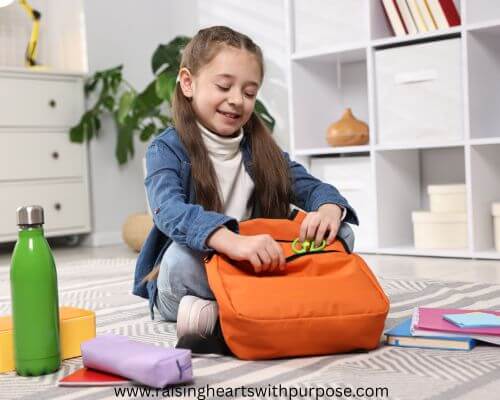
Snacks-for-Baby-and-Toddler

We about to known Health Snacks for Baby and Toddler, how to give, What’s appropriate.

Introducing healthy snacks to babies and toddlers is an important step in supporting their growth, development, and lifelong eating habits. As little ones transition from milk to solid foods, snacks become more than just small bites between meals — they provide essential nutrients, energy, and opportunities to explore new flavors and textures. From soft fruits and yogurt to finger foods and homemade treats, choosing the right snacks can help parents encourage healthy eating while keeping mealtime fun and stress-free. In this blog, we’ll explore nutritious, easy, and child-friendly snack ideas that are perfect for babies and toddlers at every stage.

Why snacks are important for young children

Snacks play an important role in the growth and development of babies and toddlers. At a young age, children are constantly active, learning, and growing, which means their little bodies need regular nourishment throughout the day. Since babies and toddlers often have smaller stomachs, they may not get all the nutrients they need from three main meals alone. Healthy snacks help fill those nutritional gaps by providing essential vitamins, minerals, protein, and energy needed for proper development.

Nutritious snacks also help support brain development, strengthen the immune system, and maintain steady energy levels for play and learning. Offering healthy snack options such as fruits, yogurt, whole grains, and soft vegetables can encourage good eating habits from an early age. In addition, snack time gives children the opportunity to explore different tastes, colors, and textures, helping them become more comfortable with a variety of foods as they grow.

For parents, choosing the right snacks can make a big difference in a child’s overall health and eating routine. Instead of sugary or heavily processed foods, balanced snacks can help keep children satisfied between meals while promoting healthy growth and development.

Nutritional needs of babies and toddlers

Babies and toddlers have unique nutritional needs because they grow and develop rapidly during the early years of life. Proper nutrition is essential for building strong bones, supporting brain development, strengthening the immune system, and providing the energy needed for daily activities and learning. Since young children have small stomachs but high energy demands, every meal and snack should contain nutrients that support healthy growth.

One of the most important nutrients for babies and toddlers

Protein

Which helps build muscles and repair body tissues. Foods such as eggs, yogurt, beans, fish, and soft meats are excellent sources of protein for young children. Calcium and vitamin D are also important because they help develop strong teeth and bones. Dairy products like milk, cheese, and yogurt can provide these nutrients.

Iron

Iron is another key nutrient, especially for babies transitioning to solid foods. Iron supports healthy brain development and helps prevent anemia. Iron-rich foods include fortified cereals, spinach, beans, and lean meats. Healthy fats are equally important because they support brain growth and provide energy. Avocados, nut butters (when age-appropriate), and oily fish are good examples of healthy fat sources.

In addition, fruits and vegetables provide vitamins, minerals, and fiber that help digestion and support overall health. Offering a variety of colorful foods can help children develop healthy eating habits while exposing them to different flavors and textures early in life.

Meeting the nutritional needs of babies and toddlers does not require complicated meals. Simple, balanced meals and healthy snacks throughout the day can provide the nutrients

When to Introduce Snacks

Introducing snacks is an important part of a child’s feeding journey, but timing matters. Babies and toddlers need regular nourishment to support their rapid growth and high energy levels. As children begin transitioning from milk to solid foods, snacks can help provide additional nutrients between meals while also helping them develop healthy eating habits.

Appropriate Ages for Snacking

Most babies are ready to begin eating solid foods around 6 months of age. At this stage, breast milk or formula still provides most of their nutrition, so snacks are usually not necessary yet. However, as babies grow and begin eating more solid foods, small healthy snacks can gradually be introduced between meals, typically around 8 to 12 months of age.

By the time children reach toddlerhood, usually between 1 and 3 years old, snacks become a regular part of their daily routine. Toddlers are very active and often need one or two healthy snacks between meals to maintain their energy throughout the day. Offering balanced snacks at scheduled times can help prevent excessive hunger while supporting healthy growth and development.

Signs Your Child Is Ready for Snacks

Every child develops differently, but there are common signs that may show your baby is ready for snacks:

  • They can sit upright without much support.
  • They are able to chew and swallow soft foods safely.
  • They show interest in food and watch others eat.
  • They reach for food or try to feed themselves.
  • They seem hungry between regular meals.
  • They are eating solid foods comfortably during mealtimes.

When introducing snacks, it is important to choose soft, easy-to-eat foods that are safe for your child’s age and development. Healthy options like soft fruits, yogurt, steamed vegetables, or whole-grain finger foods can make snack time both nutritious and enjoyable.

What makes  Healthy Snacks

Healthy snacks are an important part of a baby or toddler’s daily nutrition. Since young children grow quickly and are often full of energy, the snacks they eat should provide nutrients that support their development rather than simply filling them up. A healthy snack should be balanced, age-appropriate, and made with wholesome ingredients that help children stay active and healthy throughout the day.
Balanced  Nutrients
A nutritious snack contains a good balance of essential nutrients such as protein, healthy fats, fiber, vitamins, and carbohydrates. These nutrients work together to support healthy growth, brain development, and steady energy levels. For example, combining fruits with yogurt or whole grains with cheese can create a more satisfying and nourishing snack. Fresh fruits and vegetables provide vitamins and minerals, while foods like eggs, yogurt, beans, and cheese offer protein and calcium that support strong bones and muscles. Healthy fats from foods like avocado or nut butters can also help with brain development and keep children feeling full for longer.
Portion Sizes

Portion size is another important factor when offering snacks to babies and toddlers. Young children have small stomachs, so snacks should be small enough not to replace regular meals. Offering too much food during snack time may reduce their appetite at mealtime and lead to unhealthy eating habits. Simple portions such as a few fruit slices, a small cup of yogurt, or a handful of soft finger foods are usually enough. Paying attention to a child’s hunger and fullness cues can help parents avoid overfeeding while ensuring children get the nourishment they need.

Avoiding Too Much Sugar and Salt

Many packaged snacks marketed for children contain high amounts of sugar and salt, which may not be healthy for growing bodies. Too much sugar can increase the risk of tooth decay and unhealthy eating habits, while excess salt may put strain on a young child’s developing kidneys. Instead of sugary treats and salty processed foods, parents can choose natural and minimally processed options. Fresh fruits, homemade snacks, unsweetened yogurt, and whole foods are healthier alternatives that provide important nutrients without unnecessary additives.

By choosing balanced, properly portioned snacks with limited sugar and salt, parents can help children develop healthy eating habits that may benefit them for years to come.

Best Snack Ideas for Babies (6–12 Months)

As babies begin exploring solid foods between 6 and 12 months, snack time becomes an exciting opportunity to introduce new tastes, textures, and nutrients. At this stage, babies are learning how to chew, swallow, and even feed themselves. Healthy snacks can help support their growth while encouraging healthy eating habits from an early age.

When choosing snacks for babies, it is important to focus on soft, easy-to-eat foods that are safe and nutritious. Simple homemade options are often the best choice because they contain fewer additives, less sugar, and more natural nutrients.

Soft Fruits

Soft fruits are excellent snacks for babies because they are naturally sweet, easy to digest, and packed with vitamins. Fruits such as bananas, ripe pears, avocados, mangoes, and soft peaches can be mashed, sliced into tiny pieces, or served as finger foods depending on the baby’s age and feeding ability. These fruits provide important nutrients like vitamin C, potassium, and fiber, which help support healthy growth and digestion. Soft fruits also introduce babies to different flavors while helping them develop chewing skills.

Yogurt

Plain, unsweetened yogurt is another healthy snack option for babies. Yogurt contains calcium, protein, and probiotics that help support strong bones and healthy digestion. Full-fat yogurt is usually recommended for babies because healthy fats are important for brain development during the first year of life. We can serve yogurt on its own or mix it with mashed fruits for added flavor and nutrition. It is best to avoid yogurts with added sugar or artificial flavorings.

Steamed Vegetables

Soft steamed vegetables are nutritious and easy for babies to eat. Vegetables such as carrots, sweet potatoes, broccoli, peas, and zucchini become soft enough for little mouths after steaming. These vegetables provide vitamins, minerals, and fiber that support a baby’s immune system and overall health.

Steamed vegetables can be mashed for younger babies or cut into small, soft pieces for older babies who are learning self-feeding skills.
Finger Foods

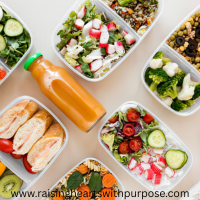
As babies grow and improve their hand coordination, finger foods become an important part of learning independence during mealtimes. Healthy finger food options include soft toast strips, scrambled eggs, small pieces of cheese, rice cakes, soft pasta, and oat-based snacks.

Finger foods encourage babies to practice grasping and chewing while building confidence with self-feeding. However, parents should always supervise babies during snack time and avoid choking hazards such as whole grapes, nuts, popcorn, or hard foods. Offering a variety of healthy snacks during this stage can help babies enjoy food, develop important eating skills, and establish healthy habits that continue as they grow.

Best Snack Ideas for Toddlers (1–3 Years)

Toddlers are naturally active and curious, which means they need healthy snacks to keep their energy levels steady throughout the day. Between the ages of 1 and 3 years, children are developing rapidly both physically and mentally, so nutritious snacks play an important role in supporting their growth, brain development, and overall health.

Healthy toddler snacks should be simple, balanced, and easy to eat. Offering a variety of nutritious foods can also help toddlers become more open to trying different flavors and textures as they grow.

Cheese Cubes

Cheese cubes are a quick and nutritious snack option for toddlers. Cheese is rich in calcium, protein, and healthy fats, which help support strong bones, teeth, and muscle development. Small cubes or thin slices of soft cheese are easy for toddlers to chew and can be paired with fruits or whole-grain crackers for a more balanced snack. We should choose low-sodium cheese options when possible and serve them in age-appropriate sizes to reduce choking risks.

Smoothies

Smoothies are a delicious way to provide toddlers with vitamins and nutrients in one easy snack. Homemade smoothies made with fruits, yogurt, and milk can offer calcium, fiber, and natural energy without added sugars. Remember to keep your blender or juice extractor clean, wash before and after usage. I always add a pinch of salt to the water, to sterilize it but make sure you rinse out properly.

Popular smoothie ingredients include bananas, strawberries, mangoes, oats, spinach, and plain yogurt. Smoothies are especially useful for picky eaters because parents can include healthy ingredients while still creating a tasty snack toddlers enjoy.

Whole-Grain Snacks

Whole grains provide fiber and energy that help toddlers stay full and active. Healthy whole-grain snacks include oatmeal, whole-grain crackers, mini sandwiches, rice cakes, and whole-wheat toast. These foods support healthy digestion and provide long-lasting energy compared to heavily processed snacks. Pairing whole grains with protein-rich foods like cheese or peanut butter can create a more balanced and satisfying snack.

Homemade Muffins

Homemade muffins can be a healthy and convenient snack for toddlers when made with nutritious ingredients. Muffins prepared with oats, bananas, carrots, apples, or whole-wheat flour can provide fiber, vitamins, and natural sweetness without too much sugar. Unlike many store-bought baked snacks, homemade muffins allow parents to control the ingredients and reduce unnecessary sugar, salt, and preservatives. They can also be prepared in advance and stored for busy days.

Choosing wholesome snacks for toddlers not only supports healthy growth but also helps build positive eating habits that can last a lifetime. Simple homemade foods and balanced snack choices can make snack time both nutritious and enjoyable for little ones.

Easy Homemade Snack Recipes

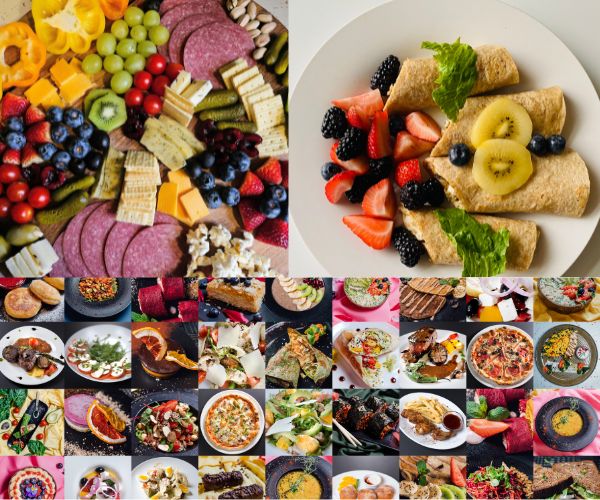
Homemade-snacks

Homemade snacks are a great way to provide babies and toddlers with healthy, fresh, and nutritious foods. Preparing snacks at home allows parents to control the ingredients while avoiding excessive sugar, salt, and preservatives often found in packaged snacks. Simple homemade recipes can also introduce children to a variety of flavors and textures in a fun and enjoyable way.

Here are a few easy homemade snack ideas that are both nutritious and child-friendly.

Banana Oat Bites

Banana oat bites are soft, naturally sweet, and perfect for little hands. They are made with simple ingredients like ripe bananas and oats, making them a healthy source of fiber and energy for growing children.

To prepare banana oat bites, mash ripe bananas in a bowl and mix them with oats until combined. Small additions like cinnamon or mashed berries can be included for extra flavor. Scoop small portions onto a baking tray and bake until lightly golden.

These bites are easy to chew, making them suitable for toddlers and older babies who are comfortable eating finger foods. They also make a convenient snack for busy parents because they can be stored and served throughout the week.

Fruit Popsicles

Fruit popsicles are a refreshing and healthy snack, especially during warm weather. Unlike store-bought frozen treats, homemade popsicles can be made using fresh fruits and yogurt without added sugars or artificial ingredients.

To make fruit popsicles, blend fruits such as strawberries, mangoes, bananas, or blueberries with plain yogurt or a little water. Pour the mixture into popsicle molds and freeze until solid.

Fruit popsicles provide vitamins, calcium, and hydration while offering a fun way for children to enjoy fruits. They can also help soothe teething babies when served under supervision.

Mini Pancakes

Mini pancakes are another simple homemade snack that babies and toddlers often enjoy. They are soft, easy to hold, and can be made with healthy ingredients like bananas, oats, eggs, or whole-wheat flour.

Parents can prepare mini pancakes by mixing mashed bananas with eggs and flour to create a smooth batter. Small spoonful of batter are then cooked on a lightly greased pan until golden on both sides.

Mini pancakes can be served plain or paired with fruits, yogurt, or nut butter for extra nutrition. Their small size makes them ideal for little children learning to feed themselves.

Homemade snacks like these not only provide important nutrients but also allow parents to create healthier alternatives to processed foods. With simple ingredients and quick preparation, healthy snack time can become both easy and enjoyable for the whole family.

Snack Safety Tips

When preparing snacks for babies and toddlers, safety is just as important as nutrition. Young children are still learning how to chew and swallow properly, which means certain foods can pose risks if not prepared carefully. Parents and caregivers should pay close attention to food texture, ingredient choices, and storage methods to ensure snack time remains safe and healthy.

By following a few simple safety guidelines, parents can help reduce the risk of choking, allergic reactions, and food-related illnesses.

Choking Hazards to Avoid

Babies and toddlers have small airways, making them more vulnerable to choking. Certain foods can easily become lodged in a child’s throat if they are too hard, round, sticky, or difficult to chew. Foods that commonly pose choking risks include whole grapes, popcorn, nuts, hard candies, large chunks of meat, raw carrots, and spoonful of peanut butter. To make snacks safer, foods should be cut into small, manageable pieces and cooked or softened when necessary. Parents should also ensure children are seated upright during snack time and supervised while eating. Encouraging children to eat slowly and avoiding distractions like running or playing during meals can further reduce choking risks.

Allergy Awareness

Food allergies can develop early in childhood, so it is important for parents to be cautious when introducing new foods. Common food allergens include peanuts, eggs, dairy, soy, wheat, fish, and shellfish. When introducing a new food, it is best to offer one item at a time and watch for signs of an allergic reaction. Symptoms may include rashes, swelling, vomiting, diarrhea, coughing, or difficulty breathing. If severe reactions occur, immediate medical attention should be sought. Parents with a family history of food allergies may wish to speak with a healthcare professional before introducing certain foods. Reading ingredient labels carefully is also important when choosing packaged snacks for children.

Proper Food Storage

Proper food storage helps keep snacks fresh and safe for babies and toddlers. Perishable foods such as yogurt, milk, fruits, and homemade snacks should be refrigerated to prevent spoilage and bacterial growth.

Homemade snacks should be stored in clean, airtight containers and consumed within a safe time period. Frozen snacks like fruit popsicles can be kept in the freezer until ready to serve. Frozen Snacks should be packed and stored differently. I once made that mistake for my baby and the food got contaminated and caused him food poison. Parents should also avoid leaving food out for long periods, especially in warm temperatures, as bacteria can grow quickly. Checking expiration dates and maintaining clean preparation surfaces can help reduce the risk of food contamination. By paying attention to choking hazards, allergies, and proper food storage, parents can create a safer snacking environment while helping children enjoy healthy and nutritious foods with confidence.

Common Snacking Mistakes Parents Make

Baby and Toddler Snacks can play an important role in a child’s nutrition, but certain habits may reduce their benefits if parents are not careful. While it is natural to want children to stay full and happy throughout the day, unhealthy snacking patterns can affect eating habits, nutrition, and overall health. Understanding common snacking mistakes can help parents make healthier choices for their babies and toddlers.

Over-Snacking

One common mistake many parents make is offering snacks too often throughout the day. While babies and toddlers do need regular nourishment, constant snacking can reduce a child’s appetite during main meals. Children who snack too frequently may become less interested in balanced breakfasts, lunches, or dinners.

Over-snacking can also lead to unnecessary calorie intake and make it harder for children to recognize natural hunger and fullness cues. Establishing a simple snack routine with planned snack times between meals can help children maintain healthy eating habits while still getting the nutrients they need.

Processed Foods

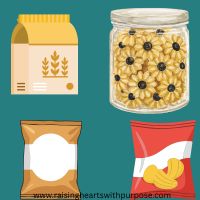
Many packaged snacks marketed for children are highly processed and contain excessive amounts of sugar, salt, unhealthy fats, and artificial additives. Although these snacks may seem convenient, relying on them too often may limit the nutritional value children receive from their diets.

Foods such as sugary cookies, flavored chips, candies, and sweetened drinks can contribute to poor eating habits and may increase the risk of tooth decay and unhealthy weight gain. Instead, parents can focus on healthier options like fruits, yogurt, whole grains, cheese, and homemade snacks that provide essential nutrients for growth and development.

Choosing natural and minimally processed foods helps children become familiar with healthier flavors and encourages better eating habits over time.

Using Snacks as Rewards

Using snacks or treats as rewards for good behavior is another common mistake that can affect a child’s relationship with food. When children receive sugary or unhealthy snacks as prizes, they may begin to view those foods as more valuable or emotionally comforting. Using-snacks-as-reward

Over time, this habit can encourage emotional eating and create unhealthy attitudes toward food. Instead of using snacks as rewards, parents can praise good behavior with encouraging words, stickers, extra playtime, or fun family activities. Snack time should focus on nourishment and enjoyment rather than discipline or emotional comfort. Creating positive and balanced eating routines can help children develop a healthier relationship with food as they grow.

By avoiding these common snacking mistakes, parents can support healthier eating habits, improve nutrition, and create a positive feeding environment for their babies and toddlers.

Conclusion

Introducing healthy snacks to babies and toddlers is more than simply keeping them full between meals — it is an opportunity to build strong nutritional foundations that can last a lifetime. During the early years of growth and development, children need balanced foods that provide the vitamins, minerals, and energy necessary for healthy bodies and active minds.

By offering nutritious snacks such as fruits, vegetables, yogurt, whole grains, and homemade treats, parents can encourage children to enjoy wholesome foods from an early age. Establishing healthy eating habits during childhood may help children develop a positive relationship with food as they grow older.

It is also important for parents to create safe and balanced Baby and toddler snack routines by choosing age-appropriate foods, avoiding excessive sugar and salt, and paying attention to portion sizes. Simple homemade snacks and mindful eating habits can make snack time both healthy and enjoyable for the whole family.

With patience, variety, and consistency, parents can help babies and toddlers become confident eaters while supporting their long-term health and well-being.

You will also love to read on Gentle Parenting

Related Posts

Leave a Reply

Your email address will not be published. Required fields are marked *